 Operated

What to Look for in a Custom Clothing Manufacturer: 9 Things to Check
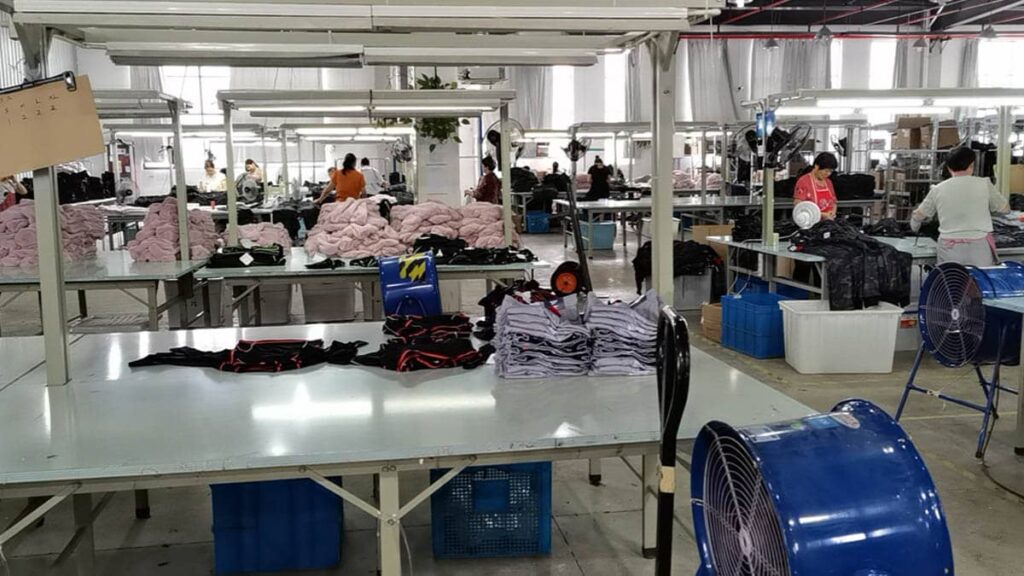
Choosing the right custom clothing manufacturer is one of the most important decisions when starting or growing a fashion brand. Your manufacturing partner affects product quality, production costs, delivery times, and how easily you can expand your clothing line. A manufacturer may offer competitive prices, but that does not automatically make it the right choice. You also need to consider production transparency, minimum order quantities, customization options, branding support, and the ability to deliver consistent results. Whether you are launching your first collection or looking for a new production partner, understanding these factors can help you avoid unnecessary costs and manufacturing problems. Here are nine important things to look for when choosing a custom clothing manufacturer. 1. Transparency Throughout the Production Process One of the biggest concerns when working with an overseas clothing manufacturer is not knowing what is happening after placing an order. Without regular updates, brands may struggle to track production progress, identify delays, or plan their product launches. A reliable manufacturer should have a clear communication process and provide updates throughout the different production stages. Before choosing a factory, find out how it handles: Some manufacturers provide updates through direct communication, while others use production dashboards or online portals. Craftive Apparels provides a live production portal that gives brands real-time visibility into their orders. This helps customers follow production progress instead of relying entirely on occasional messages. You can also explore the Craftive Apparels factory to learn more about its manufacturing facilities and production setup. Suggested image placement: Keep the existing production transparency image here. 2. Low Minimum Order Quantities for Startups and Growing Brands Minimum order quantity (MOQ) determines how many pieces a manufacturer requires you to order for a particular product or design. This is especially important for startups because large production requirements can increase the initial investment and leave brands with more inventory than they can sell. For example, a new clothing brand may want to test a few T-shirt designs, hoodies, or tracksuits before investing in a larger collection. A manufacturer with flexible MOQs makes this easier. MOQ Range Potential Benefit Important Consideration 20–50 pieces Suitable for testing designs and launching smaller collections Confirm whether the quantity applies per design or style 50–100 pieces Allows a larger initial product run Check how quantities can be divided across sizes and colours 100+ pieces Better suited to brands planning larger collections Consider inventory requirements and production costs A low MOQ can also benefit established brands that want to test new designs or introduce additional product categories before increasing production. Craftive Apparels offers low-MOQ custom clothing manufacturing, with starting quantities around 20 pieces. This gives smaller brands more flexibility when developing their first products. Always confirm the MOQ for your specific garment, fabric, colours, and customization requirements before placing an order. 3. A Wide Range of Manufacturing Capabilities Not every clothing manufacturer offers the same services. Some specialize in basic garment production, while others provide complete custom manufacturing and decoration. Choosing a manufacturer with a wider range of capabilities can make product development easier, particularly when your brand plans to expand into different clothing categories. Consider whether the manufacturer can handle the following: Manufacturing Service What It Covers Custom cut and sew Garment development using your own designs, measurements, and patterns Embroidery Stitched logos, lettering, and decorative details Screen printing Graphics, logos, and designs applied using screens Sublimation printing Full-colour designs on suitable fabrics Fabric sourcing Finding materials that match your product requirements Garment finishing Final construction details and preparation before packaging Having these services available through one manufacturing partner can reduce the need to coordinate with multiple suppliers. It can also make communication between garment production and decoration teams easier. Craftive Apparels offers custom cut and sew manufacturing alongside embroidery, screen printing, and sublimation printing. This range of services allows brands to develop different products while managing garment construction and customization through a connected manufacturing process. 4. Private Labeling and Custom Branding Support For most fashion brands, manufacturing is not just about producing garments. It is also about creating products that customers recognize as part of a particular brand. Private labeling allows businesses to add their own identity to clothing instead of selling generic garments with no brand-specific details. Before selecting a manufacturer, ask which branding options it supports. Common private labeling and branding options include: These details can help create a consistent appearance across your clothing collection. Working with a manufacturer that handles garment production and branding together can also reduce coordination between different suppliers. You can discuss labels, tags, and packaging while the garment is being developed instead of arranging everything separately. 5. Production Speed and Reliable Lead Times Production lead time is another important factor when comparing custom clothing manufacturers. Delays can affect product launches, seasonal collections, marketing campaigns, and inventory planning. However, the shortest advertised production time is not always the best option. You need a manufacturer that provides a realistic timeline and can consistently meet agreed deadlines. Before placing an order, ask about the expected time required for: Production Stage What to Confirm Sampling How long sample development and revisions take Material sourcing Whether the required fabrics are readily available Bulk production Expected time for cutting, stitching, and assembly Customization Additional time needed for printing or embroidery Quality control Time allocated for inspection and corrections Packaging and dispatch When the completed order will be prepared for shipping Craftive Apparels offers a 12 to 14 day production turnaround for applicable orders. Brands should confirm the expected timeline for their specific designs, quantities, and customization requirements before production begins. A clear production schedule helps you plan inventory and coordinate your product launch more effectively. 6. Manufacturing Location and Shipping Logistics The location of a clothing manufacturer can affect shipping costs, delivery times, import duties, and supply chain planning. For brands selling internationally, it is worth understanding where garments are produced and how finished orders are delivered to their target markets. Consider these factors when comparing manufacturers: Craftive Apparels operates facilities in