 Operated

Best Printing Methods for Streetwear Apparel: A Complete Comparison
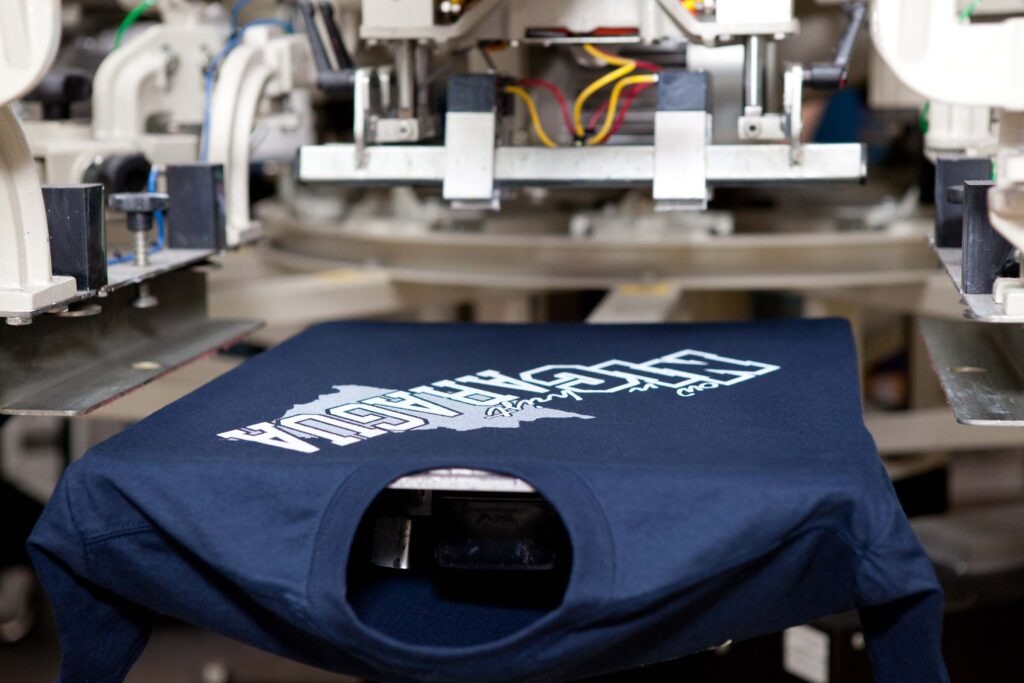
Streetwear is built around more than the garment itself. Graphics, logos, typography, textures, and print placement all contribute to a clothing brand’s identity. A simple T-shirt or hoodie can become a recognizable product when its design and decoration work together. Choosing the right printing method for streetwear apparel is therefore an important part of product development. Some techniques are better for bold graphics and larger production runs, while others are suitable for detailed artwork, raised textures, or smaller collections. The right option depends on several factors, including fabric type, artwork complexity, order quantity, desired finish, and production budget. At Craftive Apparels, printing and embellishment can be integrated into the wider custom cut and sew manufacturing process. This allows brands to consider garment construction and decoration together when developing their collections. What Makes Streetwear Printing Different? Streetwear designs often use distinctive graphics and decorative details. A garment might feature a small chest logo, oversized back artwork, sleeve graphics, bold typography, or a combination of different printing and embroidery techniques. The printing method needs to complement both the artwork and the garment. For example, a heavyweight oversized cotton T-shirt may require a different approach from a polyester jersey or fleece hoodie. Brands should consider how the print looks, how it feels on the fabric, how it holds up after washing, and whether it creates the intended visual effect. Streetwear printing is not simply about transferring an image onto clothing. The decoration should feel like a natural part of the garment’s design. 6 Popular Printing Methods for Streetwear Apparel Different printing techniques offer different results. Understanding their characteristics can help you choose the right option for your clothing collection. 1. Screen Printing for Bold Streetwear Graphics Screen printing is one of the most widely used methods for custom streetwear. The process involves pushing ink through a prepared screen onto the garment. Separate screens are generally prepared for different colours in the artwork. It works particularly well for bold graphics, logos, typography, and designs with clearly defined colours. Screen printing can produce strong colour coverage on T-shirts, hoodies, sweatshirts, and other common streetwear products. It is also a practical choice for larger production runs. Once the screens have been prepared, the same design can be reproduced across multiple garments. Brands developing custom garments from scratch can incorporate screen printing into the cut and sew manufacturing process. This allows decoration to be considered alongside fabric selection, pattern development, stitching, and finishing. Best suited for: Bold graphics, brand logos, typography, oversized prints, and larger production quantities. 2. Puff Printing for Raised Graphics Puff printing is popular in streetwear because it adds texture and dimension to garment designs. The process uses a special additive that expands when exposed to heat, creating a raised effect on the printed surface. This makes selected parts of a design more noticeable and gives the garment a distinctive finish. Puff printing is often used for raised chest logos, large back graphics, lettering, and statement designs. It can also be combined with standard screen printing to create contrast between flat and raised areas. Rather than applying puff effects to every part of a complicated design, brands can use them selectively to highlight important graphic elements. Best suited for: Raised logos, bold typography, statement graphics, and textured streetwear designs. 3. DTG Printing for Detailed Artwork Direct-to-garment (DTG) printing uses digital technology to apply artwork directly onto fabric. Unlike traditional screen printing, it does not require a separate screen for every colour. This makes DTG useful for designs that contain fine details, gradients, multiple colours, or illustration-style artwork. Streetwear brands creating graphic T-shirts with photographic elements, detailed illustrations, and complex colour combinations may find DTG particularly useful. The technique can also support smaller production runs and product testing when a brand wants flexibility with its artwork. However, fabric selection remains important. Material composition, garment colour, and surface characteristics can affect the final appearance of a DTG print. Best suited for: Detailed illustrations, photographic graphics, gradients, and colourful artwork. 4. DTF Printing for Flexible Custom Designs Direct-to-film (DTF) printing involves transferring a printed design from a special film onto a garment using heat. One of its main advantages is flexibility. It can accommodate detailed and colourful artwork and can be used across different types of clothing, depending on the material and application requirements. For streetwear brands, DTF can be useful when a collection includes multiple garment types or different graphic designs. It can also help newer brands test artwork before moving towards larger production quantities. The final result depends on the transfer, application process, fabric, and design. Brands should review samples to make sure the print appearance and feel match their expectations. Best suited for: Detailed graphics, colourful designs, different garment types, and flexible product collections. 5. Sublimation Printing for All-Over Designs Sublimation printing uses heat to transfer special dye into compatible materials, particularly polyester fabrics. Unlike techniques that leave a print layer on the garment surface, sublimation allows the colour to become part of the material. This makes it suitable for extensive graphics, detailed patterns, and all-over designs on compatible fabrics. Streetwear brands can use sublimation for printed jerseys, polyester shirts, and other products where the design covers a large portion of the garment. For brands working across activewear categories, our sportswear manufacturing service is a natural fit for this technique. However, sublimation is not suitable for every fabric. Material composition and colour are important considerations, so the garment should be selected with the printing method in mind. Best suited for: All-over graphics, detailed patterns, polyester garments, and colourful designs. 6. Embroidery for Textured Streetwear Branding Not every streetwear design needs to be printed. Embroidery offers another way to add logos, lettering, and decorative details to clothing. The process uses stitching to create artwork directly on the garment. It provides a dimensional finish that works particularly well for hoodies, jackets, sweatshirts, caps, and varsity-inspired clothing. Different embroidery techniques create different appearances: Embroidery Type Common Application Flat embroidery Clean logos and smaller branding details 3D