 Operated

How to Choose the Right Sportswear Manufacturer for Your Activewear Brand
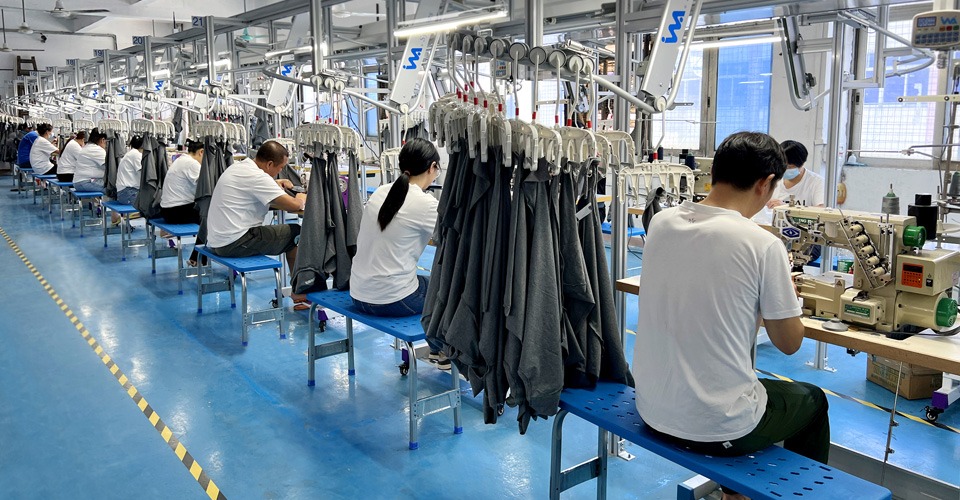
Choosing the right sportswear manufacturer is an important step when starting or growing an activewear brand. Your customers expect gym clothing that fits properly, feels comfortable, supports movement, and maintains its quality after repeated use and washing. Even a strong product design can fail if the manufacturer cannot deliver consistent results. A reliable sportswear manufacturer should offer more than basic garment production. Fabric sourcing, custom patterns, product development, sampling, branding, and quality control all play a role in creating activewear that meets your brand’s requirements. Whether you are launching your first gymwear collection or expanding an established clothing business, the manufacturer you choose can directly affect your product quality, costs, and ability to grow. 1. Look for Experience in Sportswear and Gymwear Manufacturing Sportswear requires different manufacturing considerations than ordinary casual clothing. Leggings, gym T-shirts, training shorts, sports bras, tracksuits, and jerseys are designed for physical activity. Their construction must support movement while maintaining a comfortable fit. Before choosing a manufacturer, check whether sportswear is part of its actual production experience. A factory that mainly produces everyday clothing may not have the same understanding of activewear fabrics, garment construction, and fit requirements. Different sportswear products also have different requirements: Sportswear Product Important Manufacturing Considerations Gym leggings Stretch, recovery, waistband construction, and fit Training shorts Freedom of movement, fabric comfort, and stitching Gym T-shirts Breathability, fit, fabric weight, and durability Sports bras Support, fit, construction, and material selection Tracksuits Fabric quality, sizing, finishing, and comfort Training jerseys Lightweight materials, fit, and decoration options Ask manufacturers about the types of sportswear they produce and whether they can work with your designs. This helps you understand whether their capabilities match your product requirements. Craftive Apparels works with multiple apparel categories, including sportswear, and supports custom production from initial design through bulk manufacturing. 2. Check Fabric Options and Material Sourcing Fabric selection has a major impact on how sportswear looks, feels, and performs. The right material depends on the garment, its intended use, and the experience you want to provide to customers. For example, leggings may require a different balance of stretch, recovery, and coverage than a loose-fitting gym T-shirt. Tracksuits and sweatshirts also have different fabric requirements from lightweight training apparel. Before placing an order, discuss these details with the manufacturer: A manufacturer with fabric sourcing capabilities can help you identify materials that match your product specifications. You should also request fabric samples where possible so you can assess the material before approving production. 3. Choose a Manufacturer That Offers Custom Cut and Sew Production If you want to create a distinctive activewear collection, look beyond manufacturers that only print logos on ready-made blank garments. Custom cut and sew manufacturing gives brands greater control over garment design, fit, measurements, patterns, fabrics, colours, and construction details. For sportswear brands, this flexibility is especially important. Small design decisions can change how a garment fits and feels. For example, the waistband, rise, inseam, panel placement, and stitching of leggings can all affect the final product. A custom cut and sew manufacturer can help develop garments around your specifications instead of limiting your collection to existing blank products. The process may include: Craftive Apparels supports this process through 3D apparel design, pattern development, fabric selection, cutting, embellishment, stitching, quality control, and packaging. 4. Evaluate Sampling and Product Development One of the biggest mistakes an activewear brand can make is moving directly from a design concept to a large production order without properly evaluating a sample. Sampling allows you to check how a garment looks and feels before committing to bulk manufacturing. It also gives you an opportunity to identify changes that may be needed. When reviewing a sportswear sample, pay attention to: For activewear, consider how the sample performs during movement. Check whether the garment feels comfortable, whether it allows sufficient movement, and whether important design details meet your expectations. A manufacturer should be willing to discuss adjustments during product development. Resolving these issues before bulk production can help reduce mistakes, unnecessary costs, and customer complaints. 5. Compare Custom Branding and Decoration Options Your activewear collection should reflect your brand identity. Branding is not limited to adding a logo to a finished garment. Labels, tags, prints, embroidery, colours, and packaging can all contribute to a consistent product presentation. Ask manufacturers which decoration methods they offer and whether those methods are suitable for your selected fabrics. Decoration Method Common Use Screen printing Logos, text, and designs on suitable garment surfaces DTF printing Detailed graphics and custom designs DTG printing Direct printing for suitable fabric and garment applications Sublimation Colourful graphics and all-over designs on suitable materials Embroidery Stitched logos and branding details Private labels Custom brand identity inside or on the garment The right method depends on your design, fabric, and intended product. For example, sublimation can be useful for sportswear designs that require extensive colour coverage, while embroidery can provide a stitched branding finish. Craftive Apparels offers multiple embellishment options, including screen printing, DTF, DTG, sublimation, and custom embroidery. Discuss the available options during product development to make sure the decoration method works with the garment rather than choosing it based on appearance alone. 6. Check Minimum Order Quantities Before Placing an Order Minimum order quantity (MOQ) is an important consideration, particularly for new activewear brands. Some manufacturers require large orders, which can make it difficult for startups to test new designs, colours, and product categories. Producing more stock than you can sell also ties up money that could be used for marketing, product development, or future collections. A lower MOQ can provide more flexibility when launching a new range. MOQ Consideration Why It Matters Initial production quantity Determines how much inventory you need to purchase Different designs Affects how easily you can test multiple products Colour variations May influence the required quantity for each colour Size range Helps determine how inventory is distributed across sizes Repeat orders Makes it easier to restock products that perform well Craftive Apparels offers low-MOQ manufacturing starting from 20 pieces.