 Operated

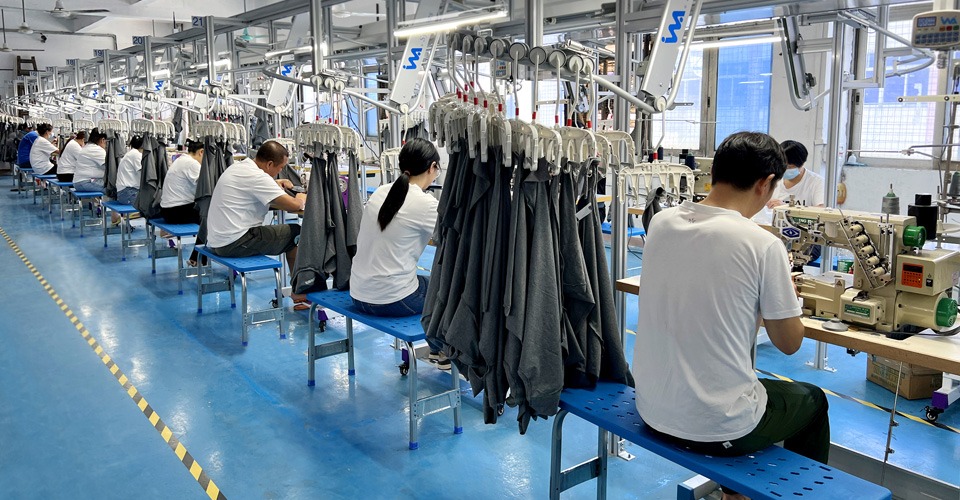
Choosing the right sportswear manufacturer is an important step when starting or growing an activewear brand. Your customers expect gym clothing that fits properly, feels comfortable, supports movement, and maintains its quality after repeated use and washing. Even a strong product design can fail if the manufacturer cannot deliver consistent results.
A reliable sportswear manufacturer should offer more than basic garment production. Fabric sourcing, custom patterns, product development, sampling, branding, and quality control all play a role in creating activewear that meets your brand’s requirements.
Whether you are launching your first gymwear collection or expanding an established clothing business, the manufacturer you choose can directly affect your product quality, costs, and ability to grow.
1. Look for Experience in Sportswear and Gymwear Manufacturing
Sportswear requires different manufacturing considerations than ordinary casual clothing. Leggings, gym T-shirts, training shorts, sports bras, tracksuits, and jerseys are designed for physical activity. Their construction must support movement while maintaining a comfortable fit.
Before choosing a manufacturer, check whether sportswear is part of its actual production experience. A factory that mainly produces everyday clothing may not have the same understanding of activewear fabrics, garment construction, and fit requirements.
Different sportswear products also have different requirements:
| Sportswear Product | Important Manufacturing Considerations |
|---|---|
| Gym leggings | Stretch, recovery, waistband construction, and fit |
| Training shorts | Freedom of movement, fabric comfort, and stitching |
| Gym T-shirts | Breathability, fit, fabric weight, and durability |
| Sports bras | Support, fit, construction, and material selection |
| Tracksuits | Fabric quality, sizing, finishing, and comfort |
| Training jerseys | Lightweight materials, fit, and decoration options |
Ask manufacturers about the types of sportswear they produce and whether they can work with your designs. This helps you understand whether their capabilities match your product requirements.
Craftive Apparels works with multiple apparel categories, including sportswear, and supports custom production from initial design through bulk manufacturing.
2. Check Fabric Options and Material Sourcing
Fabric selection has a major impact on how sportswear looks, feels, and performs. The right material depends on the garment, its intended use, and the experience you want to provide to customers.
For example, leggings may require a different balance of stretch, recovery, and coverage than a loose-fitting gym T-shirt. Tracksuits and sweatshirts also have different fabric requirements from lightweight training apparel.
Before placing an order, discuss these details with the manufacturer:
- Fabric composition and weight
- Stretch and recovery
- Texture and overall comfort
- Available colours
- Durability and shape retention
- Suitability for the intended garment
A manufacturer with fabric sourcing capabilities can help you identify materials that match your product specifications. You should also request fabric samples where possible so you can assess the material before approving production.
3. Choose a Manufacturer That Offers Custom Cut and Sew Production
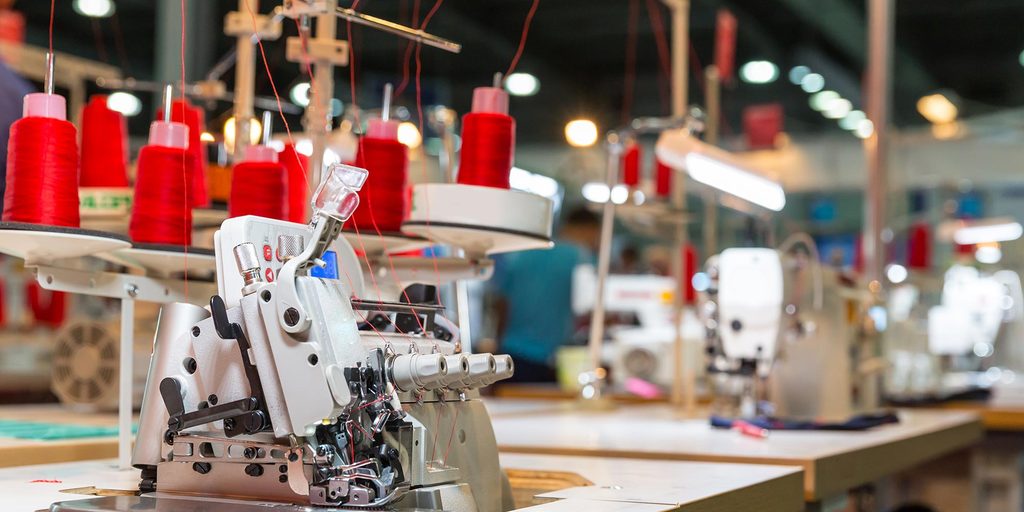
If you want to create a distinctive activewear collection, look beyond manufacturers that only print logos on ready-made blank garments.
Custom cut and sew manufacturing gives brands greater control over garment design, fit, measurements, patterns, fabrics, colours, and construction details.
For sportswear brands, this flexibility is especially important. Small design decisions can change how a garment fits and feels. For example, the waistband, rise, inseam, panel placement, and stitching of leggings can all affect the final product.
A custom cut and sew manufacturer can help develop garments around your specifications instead of limiting your collection to existing blank products.
The process may include:
- Design development: Turning your concept, sketches, or references into a production-ready design.
- Pattern development: Creating patterns and measurements for the required garment sizes.
- Fabric selection: Choosing materials that match the product’s intended use.
- Cutting and stitching: Producing garments according to the approved specifications.
- Branding and finishing: Adding labels, prints, embroidery, and other custom details.
- Quality control and packaging: Checking finished products before preparing them for delivery.
Craftive Apparels supports this process through 3D apparel design, pattern development, fabric selection, cutting, embellishment, stitching, quality control, and packaging.
4. Evaluate Sampling and Product Development
One of the biggest mistakes an activewear brand can make is moving directly from a design concept to a large production order without properly evaluating a sample.
Sampling allows you to check how a garment looks and feels before committing to bulk manufacturing. It also gives you an opportunity to identify changes that may be needed.
When reviewing a sportswear sample, pay attention to:
- Overall fit and sizing
- Fabric feel and comfort
- Stitching and construction
- Colour accuracy
- Logo and branding placement
- Waistbands, seams, and other garment details
For activewear, consider how the sample performs during movement. Check whether the garment feels comfortable, whether it allows sufficient movement, and whether important design details meet your expectations.
A manufacturer should be willing to discuss adjustments during product development. Resolving these issues before bulk production can help reduce mistakes, unnecessary costs, and customer complaints.
5. Compare Custom Branding and Decoration Options
Your activewear collection should reflect your brand identity. Branding is not limited to adding a logo to a finished garment. Labels, tags, prints, embroidery, colours, and packaging can all contribute to a consistent product presentation.
Ask manufacturers which decoration methods they offer and whether those methods are suitable for your selected fabrics.
| Decoration Method | Common Use |
|---|---|
| Screen printing | Logos, text, and designs on suitable garment surfaces |
| DTF printing | Detailed graphics and custom designs |
| DTG printing | Direct printing for suitable fabric and garment applications |
| Sublimation | Colourful graphics and all-over designs on suitable materials |
| Embroidery | Stitched logos and branding details |
| Private labels | Custom brand identity inside or on the garment |
The right method depends on your design, fabric, and intended product. For example, sublimation can be useful for sportswear designs that require extensive colour coverage, while embroidery can provide a stitched branding finish.
Craftive Apparels offers multiple embellishment options, including screen printing, DTF, DTG, sublimation, and custom embroidery.
Discuss the available options during product development to make sure the decoration method works with the garment rather than choosing it based on appearance alone.
6. Check Minimum Order Quantities Before Placing an Order
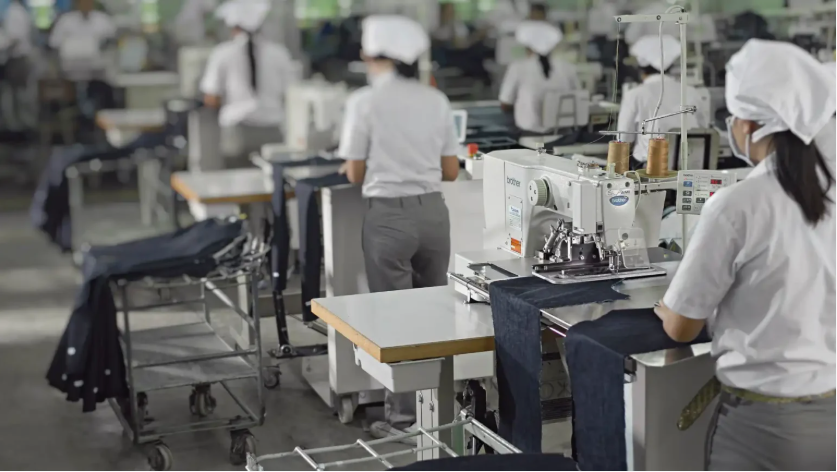
Minimum order quantity (MOQ) is an important consideration, particularly for new activewear brands.
Some manufacturers require large orders, which can make it difficult for startups to test new designs, colours, and product categories. Producing more stock than you can sell also ties up money that could be used for marketing, product development, or future collections.
A lower MOQ can provide more flexibility when launching a new range.
| MOQ Consideration | Why It Matters |
|---|---|
| Initial production quantity | Determines how much inventory you need to purchase |
| Different designs | Affects how easily you can test multiple products |
| Colour variations | May influence the required quantity for each colour |
| Size range | Helps determine how inventory is distributed across sizes |
| Repeat orders | Makes it easier to restock products that perform well |
Craftive Apparels offers low-MOQ manufacturing starting from 20 pieces. This allows emerging brands to begin with smaller production runs while retaining the opportunity to increase quantities as demand grows.
Always confirm the MOQ for your specific design, fabric, and product category before finalizing an order.
7. Understand the Manufacturer’s Quality Control Process
Quality control is essential when manufacturing sportswear. Activewear garments experience regular movement, stretching, friction, and washing. Poor construction or inconsistent materials can affect the product’s appearance, comfort, and durability.
Before choosing a manufacturer, ask how it checks finished garments and whether quality inspections take place at different production stages.
Important quality checks include:
| Quality Check | What to Review |
|---|---|
| Fabric inspection | Material condition, colour, and consistency |
| Measurement checks | Garment sizing and measurement accuracy |
| Stitching inspection | Seam quality and construction |
| Branding inspection | Print, embroidery, and label placement |
| Finishing inspection | Loose threads, appearance, and overall finish |
| Final inspection | Product condition before packaging |
Consistency between production batches is equally important. Customers expect the same product to maintain a similar fit, appearance, and quality when they place repeat orders.
Craftive Apparels uses a multi-stage quality control process, including checks at different stages of cut and sew production.
8. Consider Communication and Production Transparency
Manufacturing involves several stages, from design approval and material selection to production, inspection, and packaging. Clear communication helps keep these stages organized.
This becomes particularly important when working with an overseas sportswear manufacturer. You should be able to ask questions, share design changes, and receive updates without unnecessary delays.
Before committing to a manufacturer, find out:
- Who will handle communication during production?
- How will you receive updates about your order?
- How are production issues or delays communicated?
- Can you review progress during manufacturing?
- What information will be available before dispatch?
Craftive Apparels provides real-time manufacturing updates through its production portal, giving brands greater visibility into their orders.
9. Make Sure the Manufacturer Can Support Future Growth
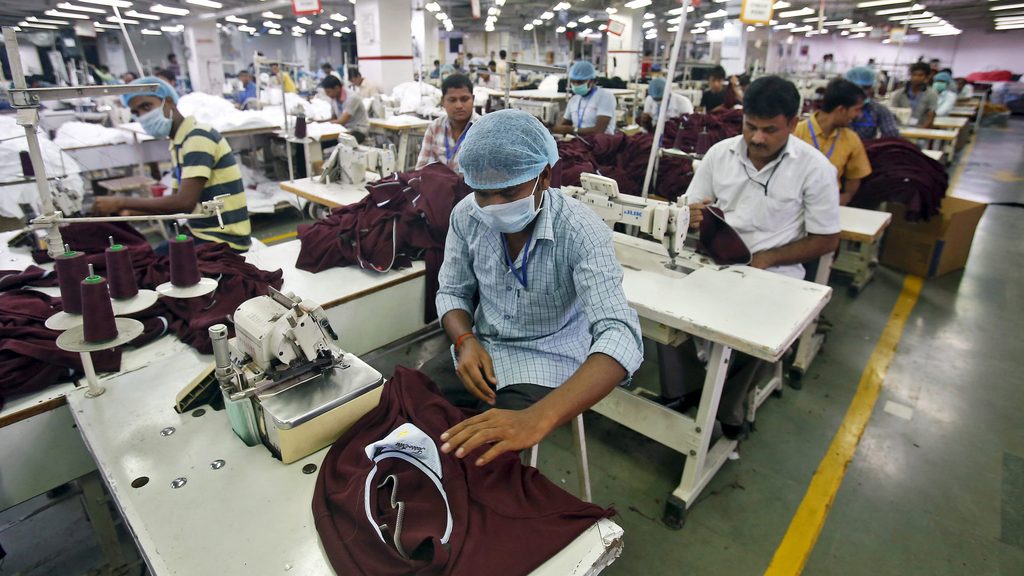
Your manufacturing requirements may change as your activewear brand develops. You might begin with a small collection of gym T-shirts and leggings, then expand into sports bras, shorts, tracksuits, and other products.
Changing manufacturers every time your order volume increases can create inconsistencies in fabric selection, sizing, colours, and construction.
It is worth discussing future production requirements before choosing a long-term manufacturing partner.
Ask whether the manufacturer can support larger repeat orders, additional product categories, and different designs as your business grows.
The ideal partner should be able to accommodate your current production needs while having the capabilities to support future demand.
10. Compare Overall Manufacturing Value, Not Just Price
Price is an important part of choosing a sportswear manufacturer, but the cheapest quotation does not always offer the best value.
A low unit price may become expensive if the manufacturer uses unsuitable materials, delivers inconsistent sizing, produces poor stitching, or fails to meet your agreed specifications.
When comparing quotations, consider what is included in the manufacturing service.
| Factor | What to Compare |
|---|---|
| Product development | Design and pattern development support |
| Fabric sourcing | Available materials and sourcing options |
| Sampling | Sample development and revision process |
| Customization | Printing, embroidery, labels, and packaging |
| Quality control | Inspection stages and quality checks |
| Communication | Production updates and response times |
| MOQ | Minimum quantities for your products |
| Production capacity | Ability to handle future orders |
Compare manufacturers based on the complete service, not just the quoted price per garment. A reliable production partner can help you avoid quality issues and maintain consistency as your brand grows.
Choose a Sportswear Manufacturer That Understands Your Brand
Choosing the right sportswear manufacturer involves more than finding a factory that can produce gym clothing. You need a partner that understands activewear requirements, offers suitable materials, supports custom product development, and maintains consistent quality.
For new brands, flexible MOQs and sampling can make it easier to launch a collection. For established businesses, production capacity, communication, and repeat-order consistency become increasingly important.
Craftive Apparels provides custom clothing manufacturing for startups and established brands, covering design, fabric sourcing, pattern development, cut and sew production, printing, embroidery, quality control, private labelling, and packaging.
Whether you are developing gym leggings, training T-shirts, sports shorts, tracksuits, jerseys, or a complete activewear collection, contact Craftive Apparels to discuss your manufacturing requirements and take your designs from concept to production.
Frequently Asked Questions
What should I look for in a sportswear manufacturer?
Look for experience in activewear production, suitable fabric options, custom cut and sew capabilities, sampling, branding options, quality control, clear communication, and the ability to handle future orders.
What is the difference between a sportswear manufacturer and a regular clothing manufacturer?
A sportswear manufacturer should understand the specific fabric, fit, and construction requirements of activewear. Regular clothing manufacturers may focus on casual or everyday garments, which can have different production requirements.
Can I start an activewear brand with a low MOQ?
Yes. Some manufacturers offer smaller production runs, allowing new brands to test products before placing larger orders. Craftive Apparels offers low-MOQ manufacturing starting from 20 pieces. Confirm the applicable quantity for your specific product before ordering.
Why is sampling important in sportswear manufacturing?
Sampling allows you to review fit, measurements, fabric, stitching, colours, and branding before bulk production. It also gives you an opportunity to request changes before manufacturing larger quantities.
Can sportswear be manufactured with custom designs?
Yes. Custom cut and sew manufacturing allows brands to develop garments using their own specifications, including patterns, measurements, fabrics, colours, panels, and branding.
What customization options are available for activewear?
Depending on the manufacturer, options may include screen printing, DTF, DTG, sublimation, embroidery, private labels, custom tags, and branded packaging.