 Operated

Where Can You Find a Reliable Private Label Clothing Manufacturer
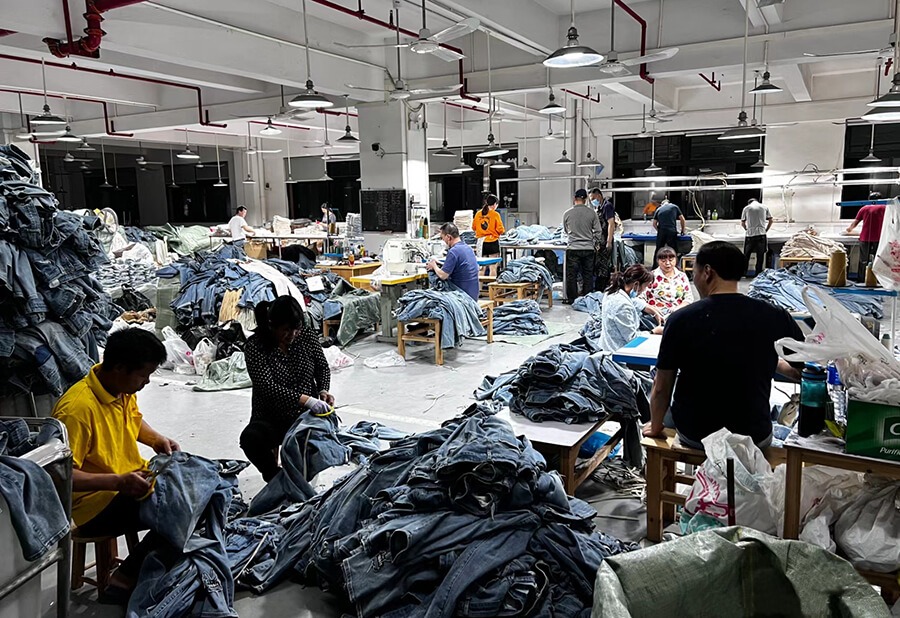
Finding a reliable private label clothing manufacturer is an important step for fashion brands planning to launch or expand their own clothing lines. The right manufacturing partner can help you turn design concepts into finished garments, customize fabrics and branding, maintain product quality, and manage production as your business grows. However, choosing a manufacturer involves more than finding a supplier that can put your logo on a T-shirt. Some manufacturers specialize in ready-made garments with custom labels, while others offer complete clothing development, including fabric sourcing, pattern making, cut and sew production, printing, embroidery, and packaging. Understanding these differences can help you find a manufacturer that matches your product requirements, production budget, and long-term business goals. Craftive Apparels provides private label and custom clothing manufacturing services for fashion brands looking to develop their own apparel collections. From initial product development to finished garment production, brands can access multiple manufacturing services through one production partner. Where Can You Find a Private Label Clothing Manufacturer? Fashion brands can find private label clothing manufacturers through several channels, including direct manufacturer websites, apparel sourcing directories, industry trade shows, and supplier recommendations. Each option provides a different way to evaluate potential manufacturing partners. Here are some common places to start your search: Source What You Can Find Best For Direct manufacturer websites Manufacturing services, product capabilities, and contact information Brands looking for long-term production partners Apparel sourcing directories Supplier listings, manufacturing locations, and company profiles Comparing multiple manufacturers Trade shows Clothing samples, production capabilities, and direct supplier conversations Evaluating products and building supplier relationships Industry recommendations Feedback and referrals from other fashion businesses Finding manufacturers with relevant experience B2B sourcing platforms Supplier profiles, product listings, and manufacturing options Exploring different production markets When evaluating these options, focus on manufacturers that can produce the specific garments you want to sell. A supplier that specializes in basic promotional T-shirts may not have the capabilities required for heavyweight streetwear, custom tracksuits, or technical sportswear. You should also determine whether the manufacturer offers private labeling only or supports complete custom garment development. Craftive Apparels provides private label and custom apparel manufacturing for businesses developing their own clothing collections. Its services include fabric sourcing, digital apparel design, pattern development, cut and sew production, printing, embroidery, quality control, and packaging. Working with one manufacturing partner for these services can simplify production coordination and reduce the need to manage multiple suppliers. Whether you are planning a streetwear collection, custom sportswear, or branded everyday apparel, you can explore Craftive Apparels to discuss your manufacturing requirements. What Should You Look for in a Private Label Clothing Manufacturer? Not every clothing manufacturer offers the same production capabilities, customization options, or quality standards. Before committing to a supplier, evaluate its services against your actual product requirements. The following factors can help you make a more informed decision. 1. Customization and Product Development Start by checking how much control the manufacturer gives you over the finished garment. Some suppliers only allow basic changes, such as adding a logo or replacing a neck label. Others can develop garments using custom measurements, fabrics, colours, patterns, and construction details. If you want to create a distinctive clothing line, look for a manufacturer that can support: The more control you have over these elements, the easier it becomes to develop products that reflect your brand identity. 2. Manufacturing Quality and Consistency Product quality directly affects customer satisfaction, returns, and repeat purchases. A manufacturer should have a clear process for checking garments during different production stages. Ask how the supplier handles fabric inspection, stitching quality, sizing accuracy, print placement, embroidery finishing, and final garment inspection. It is also useful to request samples before approving bulk production. A sample allows you to evaluate the fabric, fit, construction, and overall appearance before committing to a larger order. 3. Minimum Order Quantity (MOQ) Minimum order quantity determines how many pieces you must order to begin production. Some manufacturers require large quantities, while others accommodate smaller production runs. Your ideal MOQ depends on your business model, available budget, product type, and inventory strategy. For example, an established fashion brand introducing a new collection may require hundreds of pieces per design, while a startup may prefer smaller quantities to test customer demand. Always confirm whether the MOQ applies per design, colour, size, or complete order. 4. Production Timeline and Communication Manufacturing involves several stages, including design approval, sampling, material preparation, cutting, stitching, decoration, and finishing. Ask the manufacturer for an estimated production schedule and clarify how updates will be provided. You should also understand how revisions, sample approvals, and unexpected production delays are handled. Consistent communication helps you plan product launches, manage inventory, and coordinate marketing activities. 5. Ability to Support Business Growth Your initial order may be relatively small, but your production requirements can increase as your brand gains customers. Consider whether the manufacturer can support repeat orders, additional product categories, and increased production volumes. A suitable long-term partner should understand your specifications and be able to maintain consistency across future orders. Private Label vs. Custom Cut and Sew Manufacturing: What’s the Difference? Private label clothing and custom cut and sew manufacturing are related, but they do not always involve the same level of customization. Private label manufacturing generally involves producing garments under your brand name. Depending on the supplier, this may include adding custom labels, logos, packaging, or other branding elements to existing garment styles. Custom cut and sew manufacturing provides greater control over how a garment is developed. Instead of relying entirely on existing garment designs, brands can specify fabrics, measurements, patterns, and construction details. Here is how the two approaches compare: Comparison Factor Basic Private Label Custom Cut and Sew Garment design Existing garment styles Custom-developed designs Fabric selection Often limited to available options Greater control over fabric choices Sizing and fit Based on existing size specifications Can be developed around brand requirements Branding Custom labels, logos, and packaging Custom branding and garment details Construction Existing garment construction Custom patterns and construction