 Operated

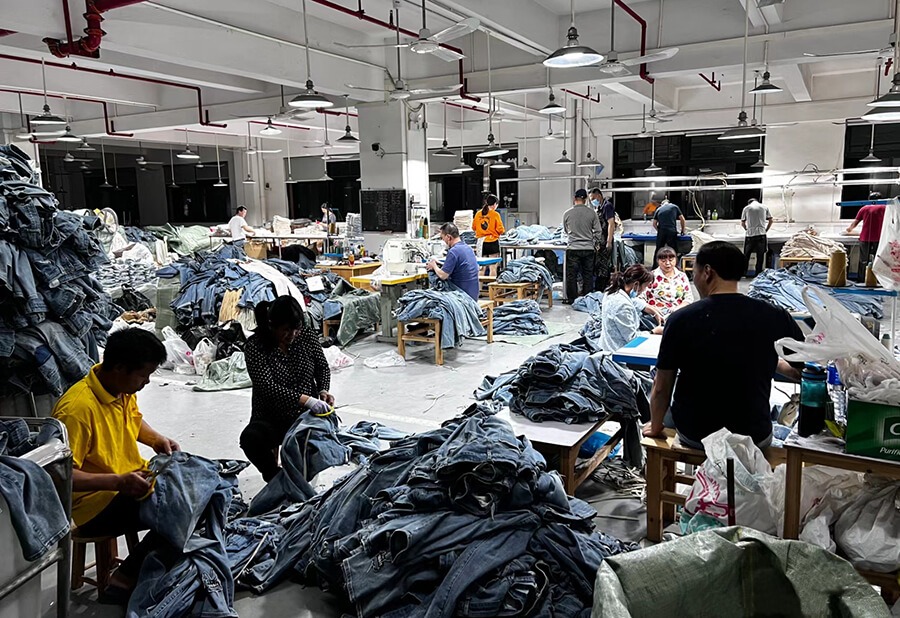
Finding a reliable private label clothing manufacturer is an important step for fashion brands planning to launch or expand their own clothing lines. The right manufacturing partner can help you turn design concepts into finished garments, customize fabrics and branding, maintain product quality, and manage production as your business grows.
However, choosing a manufacturer involves more than finding a supplier that can put your logo on a T-shirt. Some manufacturers specialize in ready-made garments with custom labels, while others offer complete clothing development, including fabric sourcing, pattern making, cut and sew production, printing, embroidery, and packaging.
Understanding these differences can help you find a manufacturer that matches your product requirements, production budget, and long-term business goals.
Craftive Apparels provides private label and custom clothing manufacturing services for fashion brands looking to develop their own apparel collections. From initial product development to finished garment production, brands can access multiple manufacturing services through one production partner.
Where Can You Find a Private Label Clothing Manufacturer?
Fashion brands can find private label clothing manufacturers through several channels, including direct manufacturer websites, apparel sourcing directories, industry trade shows, and supplier recommendations. Each option provides a different way to evaluate potential manufacturing partners.
Here are some common places to start your search:
| Source | What You Can Find | Best For |
|---|---|---|
| Direct manufacturer websites | Manufacturing services, product capabilities, and contact information | Brands looking for long-term production partners |
| Apparel sourcing directories | Supplier listings, manufacturing locations, and company profiles | Comparing multiple manufacturers |
| Trade shows | Clothing samples, production capabilities, and direct supplier conversations | Evaluating products and building supplier relationships |
| Industry recommendations | Feedback and referrals from other fashion businesses | Finding manufacturers with relevant experience |
| B2B sourcing platforms | Supplier profiles, product listings, and manufacturing options | Exploring different production markets |
When evaluating these options, focus on manufacturers that can produce the specific garments you want to sell. A supplier that specializes in basic promotional T-shirts may not have the capabilities required for heavyweight streetwear, custom tracksuits, or technical sportswear.
You should also determine whether the manufacturer offers private labeling only or supports complete custom garment development.
Craftive Apparels provides private label and custom apparel manufacturing for businesses developing their own clothing collections. Its services include fabric sourcing, digital apparel design, pattern development, cut and sew production, printing, embroidery, quality control, and packaging.
Working with one manufacturing partner for these services can simplify production coordination and reduce the need to manage multiple suppliers.
Whether you are planning a streetwear collection, custom sportswear, or branded everyday apparel, you can explore Craftive Apparels to discuss your manufacturing requirements.
What Should You Look for in a Private Label Clothing Manufacturer?
Not every clothing manufacturer offers the same production capabilities, customization options, or quality standards. Before committing to a supplier, evaluate its services against your actual product requirements.
The following factors can help you make a more informed decision.
1. Customization and Product Development
Start by checking how much control the manufacturer gives you over the finished garment. Some suppliers only allow basic changes, such as adding a logo or replacing a neck label. Others can develop garments using custom measurements, fabrics, colours, patterns, and construction details.
If you want to create a distinctive clothing line, look for a manufacturer that can support:
- Custom garment measurements and sizing.
- Fabric selection and material sourcing.
- Custom patterns and garment construction.
- Printed graphics and embroidered logos.
- Neck labels, woven labels, and private branding.
- Custom packaging and finishing.
The more control you have over these elements, the easier it becomes to develop products that reflect your brand identity.
2. Manufacturing Quality and Consistency
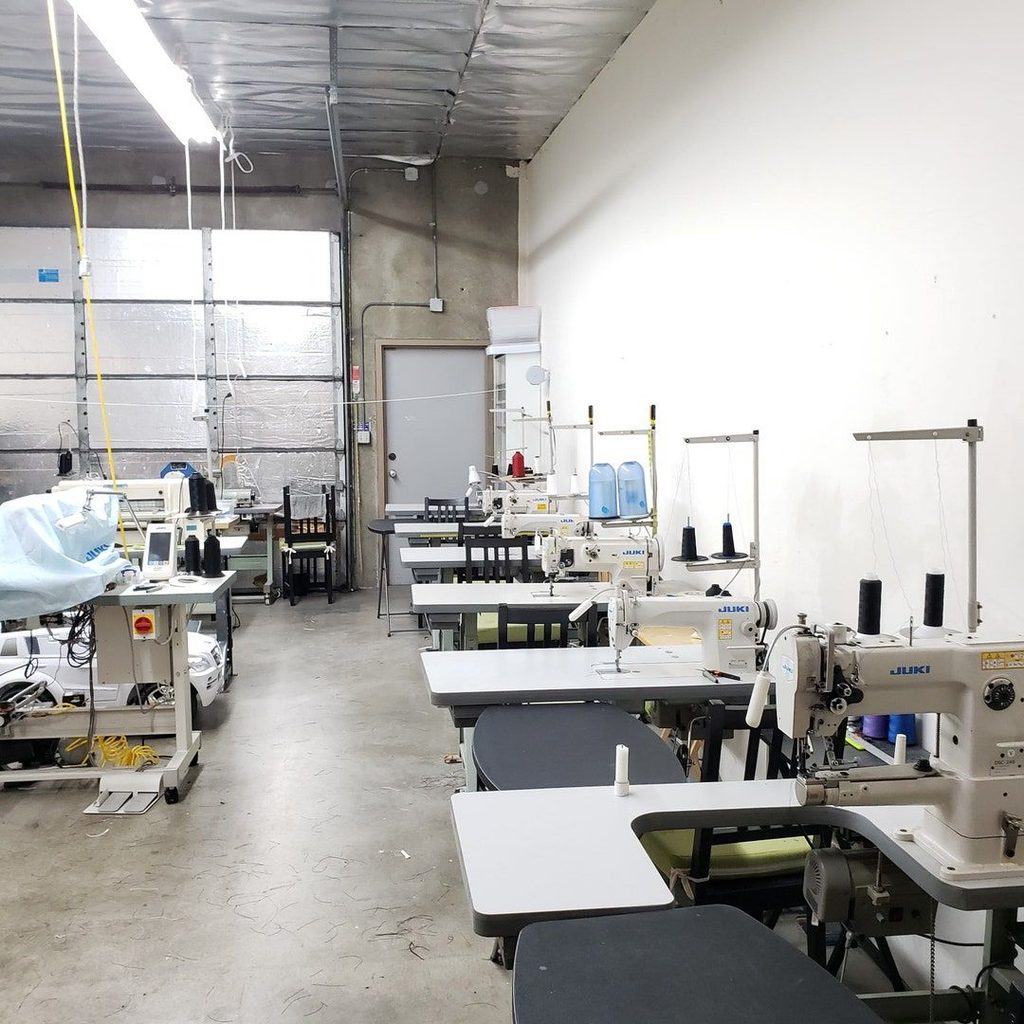
Product quality directly affects customer satisfaction, returns, and repeat purchases. A manufacturer should have a clear process for checking garments during different production stages.
Ask how the supplier handles fabric inspection, stitching quality, sizing accuracy, print placement, embroidery finishing, and final garment inspection.
It is also useful to request samples before approving bulk production. A sample allows you to evaluate the fabric, fit, construction, and overall appearance before committing to a larger order.
3. Minimum Order Quantity (MOQ)
Minimum order quantity determines how many pieces you must order to begin production. Some manufacturers require large quantities, while others accommodate smaller production runs.
Your ideal MOQ depends on your business model, available budget, product type, and inventory strategy.
For example, an established fashion brand introducing a new collection may require hundreds of pieces per design, while a startup may prefer smaller quantities to test customer demand.
Always confirm whether the MOQ applies per design, colour, size, or complete order.
4. Production Timeline and Communication
Manufacturing involves several stages, including design approval, sampling, material preparation, cutting, stitching, decoration, and finishing.
Ask the manufacturer for an estimated production schedule and clarify how updates will be provided. You should also understand how revisions, sample approvals, and unexpected production delays are handled.
Consistent communication helps you plan product launches, manage inventory, and coordinate marketing activities.
5. Ability to Support Business Growth
Your initial order may be relatively small, but your production requirements can increase as your brand gains customers.
Consider whether the manufacturer can support repeat orders, additional product categories, and increased production volumes. A suitable long-term partner should understand your specifications and be able to maintain consistency across future orders.
Private Label vs. Custom Cut and Sew Manufacturing: What’s the Difference?
Private label clothing and custom cut and sew manufacturing are related, but they do not always involve the same level of customization.
Private label manufacturing generally involves producing garments under your brand name. Depending on the supplier, this may include adding custom labels, logos, packaging, or other branding elements to existing garment styles.
Custom cut and sew manufacturing provides greater control over how a garment is developed. Instead of relying entirely on existing garment designs, brands can specify fabrics, measurements, patterns, and construction details.
Here is how the two approaches compare:
| Comparison Factor | Basic Private Label | Custom Cut and Sew |
|---|---|---|
| Garment design | Existing garment styles | Custom-developed designs |
| Fabric selection | Often limited to available options | Greater control over fabric choices |
| Sizing and fit | Based on existing size specifications | Can be developed around brand requirements |
| Branding | Custom labels, logos, and packaging | Custom branding and garment details |
| Construction | Existing garment construction | Custom patterns and construction |
| Development requirements | Generally simpler | Requires more product development |
| Best suited for | Brands using established garment styles | Brands creating distinctive clothing collections |
The right option depends on how much control you need over your products. If your priority is launching branded basics, private labeling existing garments may be sufficient. If you want unique silhouettes, fabric combinations, or garment construction, custom cut and sew manufacturing may be a better fit.
Craftive Apparels offers custom cut and sew manufacturing for fashion brands that need tailored garment development.
The process can include digital apparel design, pattern development, fabric sourcing, cutting, stitching, embellishment, and quality control. These capabilities can support products such as oversized T-shirts, hoodies, sweatpants, tracksuits, and other custom apparel.
Yes. Many private label manufacturers offer different levels of design customization, depending on their production capabilities.
Can You Get Custom Designs From a Private Label Clothing Manufacturer?
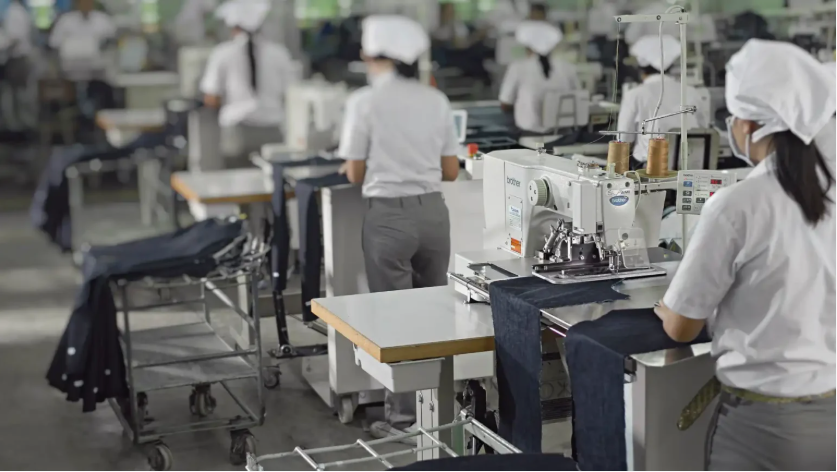
Some allow you to select from existing garment styles and customize the branding. Others support complete product development, allowing you to create garments based on your own design specifications.
If you want to develop custom clothing, the process generally involves several stages:
- Design development: Prepare your garment concepts, reference images, measurements, and design specifications.
- Fabric selection: Choose materials based on the garment’s intended use, appearance, weight, and performance requirements.
- Pattern development: Create patterns that define the garment’s shape, measurements, and construction.
- Sample production: Develop an initial garment to evaluate fit, fabric, stitching, and design details.
- Sample revisions: Make necessary adjustments before approving the final version.
- Bulk manufacturing: Begin production after approving the sample and confirming the order specifications.
- Quality inspection: Check finished garments for sizing consistency, stitching, decoration, and finishing quality.
Having a clear development process helps reduce misunderstandings between your design team and the manufacturer.
For brands that want to move beyond standard blanks, custom manufacturing offers more opportunities to create products with distinctive fits, fabrics, and construction details.
Which Private Label Manufacturer Offers Custom Printing and Embroidery?
Printing and embroidery are important parts of private label clothing production. They allow brands to add logos, graphics, artwork, and other visual elements to their garments.
However, different decoration methods produce different finishes. Your choice should depend on the artwork, fabric composition, garment style, production quantity, and appearance you want to achieve.
Here is a comparison of common clothing decoration techniques:
| Printing or Decoration Method | How It Works | Common Applications |
|---|---|---|
| Screen Printing | Transfers ink onto fabric through a prepared screen | Bold graphics, logos, and repeat designs |
| Puff Printing | Creates a raised appearance using specialized printing materials | Text, logos, and dimensional graphics |
| Direct-to-Film (DTF) | Transfers printed designs from film onto garments | Detailed graphics and multicolour artwork |
| Direct-to-Garment (DTG) | Prints designs directly onto suitable garments | Detailed artwork and smaller print runs |
| Sublimation | Uses heat to transfer dye into compatible synthetic materials | Sportswear and all-over designs |
| Flat Embroidery | Stitches designs directly onto fabric | Logos, text, and brand identification |
| 3D Puff Embroidery | Uses foam beneath embroidery stitches to create a raised effect | Caps, logos, and bold branding |
| Chenille Embroidery | Uses textured yarn to create a soft, raised finish | Varsity jackets, lettering, and patches |
| Appliqué | Attaches shaped fabric pieces to a garment | Decorative designs, lettering, and layered branding |
Craftive Apparels offers several of these printing and embroidery options for brands developing custom apparel.
For businesses looking for stitched logos and textured garment details, its custom embroidery services include flat embroidery, 3D puff embroidery, chenille, and appliqué.
Choosing the right decoration method can help maintain a consistent appearance across your clothing collection. It is also worth testing the selected technique on your actual garment fabric before approving bulk production.
Is Low-MOQ Private Label Clothing Manufacturing Available?
Yes. Some private label clothing manufacturers accommodate smaller production quantities, making it possible for emerging fashion brands to introduce new products without committing to large inventory orders.
Low-MOQ manufacturing can be useful when you are:
- Launching your first clothing collection.
- Testing new garment designs before expanding production.
- Introducing limited-edition products.
- Offering multiple colours or styles.
- Managing inventory with a smaller initial budget.
Craftive Apparels offers low-MOQ manufacturing starting from 20 pieces for suitable orders.
This provides an option for businesses that want to develop smaller collections or test different product designs before increasing their order quantities.
However, the minimum quantity can vary depending on the garment type, fabric, printing or embroidery requirements, and overall production specifications.
Before placing an order, ask the manufacturer to clarify the following:
| Production Detail | What to Confirm |
|---|---|
| Minimum quantity | Whether the MOQ applies per design, colour, or order |
| Fabric requirements | Available materials and any minimum sourcing quantities |
| Branding | Costs and requirements for custom labels, printing, and embroidery |
| Sampling | Whether sample production is included or charged separately |
| Production cost | Unit price and any additional setup charges |
| Repeat orders | Whether the same specifications can be used for future production |
Understanding these details helps you calculate your initial investment and avoid unexpected production costs.
How Does Craftive Apparels Support Private Label Clothing Production?
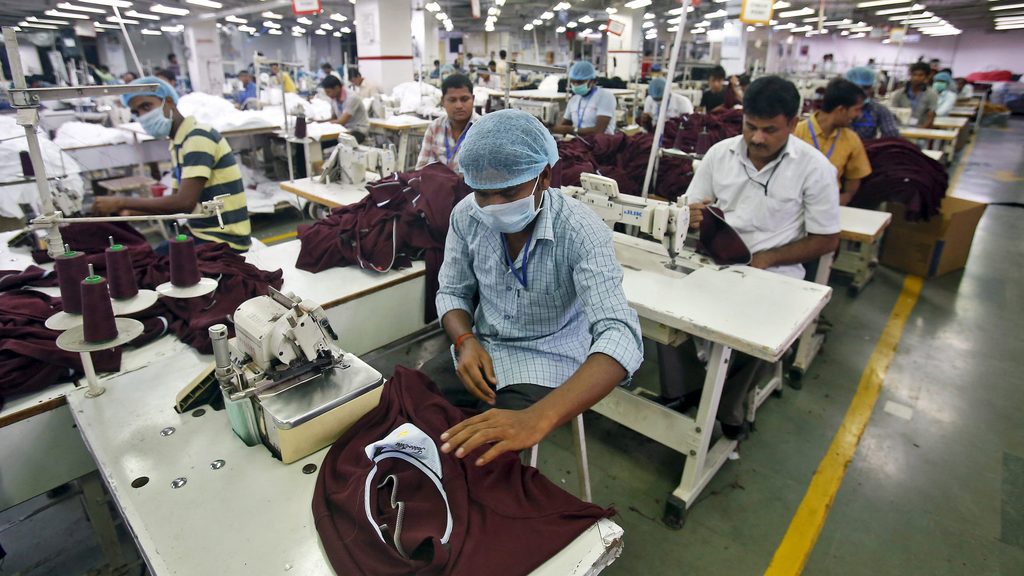
Craftive Apparels brings several stages of clothing development and manufacturing together to help fashion brands manage their production requirements.
Instead of coordinating separate suppliers for design, fabrics, garment construction, and decoration, brands can access multiple services through one manufacturing partner.
Its services cover the following production areas:
Product Development and Digital Apparel Design
Every clothing collection starts with a product concept. Digital apparel design helps translate your ideas into visual specifications that can guide the manufacturing process.
Pattern development then establishes the garment’s measurements, shape, and construction requirements.
Fabric Sourcing and Garment Manufacturing
Fabric selection plays an important role in the appearance, comfort, durability, and performance of finished clothing.
After selecting suitable materials, the manufacturing process moves into cutting, stitching, garment assembly, and finishing. These stages help turn approved designs into finished products.
Private Labeling, Printing, and Embroidery
Branding is what distinguishes your clothing line from generic apparel. Custom labels, logos, printed artwork, and embroidery can be incorporated into garments according to your specifications.
The available options depend on your product design and selected decoration methods.
Quality Control and Packaging
Quality control helps identify production issues before garments are prepared for delivery. Craftive Apparels conducts inspections during pre-sewing, post-sewing, and post-finishing stages.
The company also provides real-time manufacturing updates through its production portal, giving clients visibility into their orders.
Packaging is another important part of the process, particularly for brands that want their products prepared according to specific presentation and branding requirements.
By bringing these services together, Craftive Apparels helps fashion businesses coordinate product development, customization, and garment production through one partner.
How Do You Choose the Right Private Label Clothing Manufacturer for Your Brand?
Before making a final decision, compare manufacturers based on their ability to meet your actual production requirements rather than choosing solely on price.
A supplier may offer attractive unit costs but lack the customization options, quality standards, or communication needed for your clothing line.
Use this checklist when evaluating potential manufacturing partners:
- Review previous manufacturing work and product samples.
- Confirm experience with your specific garment category.
- Ask about fabric sourcing and customization options.
- Understand MOQ requirements and pricing.
- Request a sample before approving bulk production.
- Check the manufacturer’s quality inspection process.
- Discuss production timelines and communication methods.
- Confirm private labeling, packaging, and branding capabilities.
- Clarify payment terms, shipping arrangements, and order responsibilities.
- Discuss future production capacity and repeat orders.
It is also important to document your garment specifications before production begins. Clear measurements, fabric details, colour references, artwork files, label requirements, and sample approvals help both parties work toward the same finished product.
Taking time to evaluate these details can help you establish a more reliable manufacturing relationship.
Get a Quote From Craftive Apparels
Finding the right private label clothing manufacturer can make a significant difference when developing your own fashion brand. You need a production partner that understands your designs, offers suitable customization options, maintains quality standards, and can accommodate your manufacturing requirements.
Craftive Apparels works with fashion businesses seeking private label clothing production, custom cut and sew manufacturing, fabric sourcing, printing, embroidery, and garment finishing.
Whether you are planning a streetwear collection, sportswear line, or branded everyday apparel, its team can discuss your design specifications, fabric preferences, branding requirements, order quantities, and production needs.
Ready to develop your clothing collection? Contact Craftive Apparels to explore its manufacturing services and request a quote tailored to your project.
Frequently Asked Questions
1. What is a private label clothing manufacturer?
A private label clothing manufacturer produces garments that businesses sell under their own brand names. Depending on the supplier, services may include custom labels, logos, packaging, garment customization, and complete clothing development.
2. How much does private label clothing manufacturing cost?
The cost depends on garment type, fabric selection, order quantity, design complexity, printing, embroidery, and packaging requirements. Requesting a detailed quote based on your product specifications is the best way to estimate your production budget.
3. Can I start a clothing brand with a low MOQ?
Yes. Some manufacturers offer low minimum order quantities for suitable products. Craftive Apparels offers low-MOQ manufacturing starting from 20 pieces for eligible orders, depending on the product and customization requirements.
4. What is the difference between private label and cut and sew manufacturing?
Private labeling can involve branding existing garment styles with your own labels and designs. Cut and sew manufacturing involves developing garments using custom patterns, measurements, fabrics, and construction specifications. Some manufacturers offer both services.
5. Can a private label manufacturer create custom clothing designs?
Yes. Manufacturers with product development capabilities can help turn your designs into finished garments through pattern making, fabric sourcing, sampling, cutting, stitching, and finishing.
6. What should I provide before starting clothing production?
You should prepare your garment designs or reference images, measurements, fabric preferences, colour specifications, artwork, branding requirements, and estimated order quantities. A detailed tech pack can make the development and production process easier to manage.