 Operated

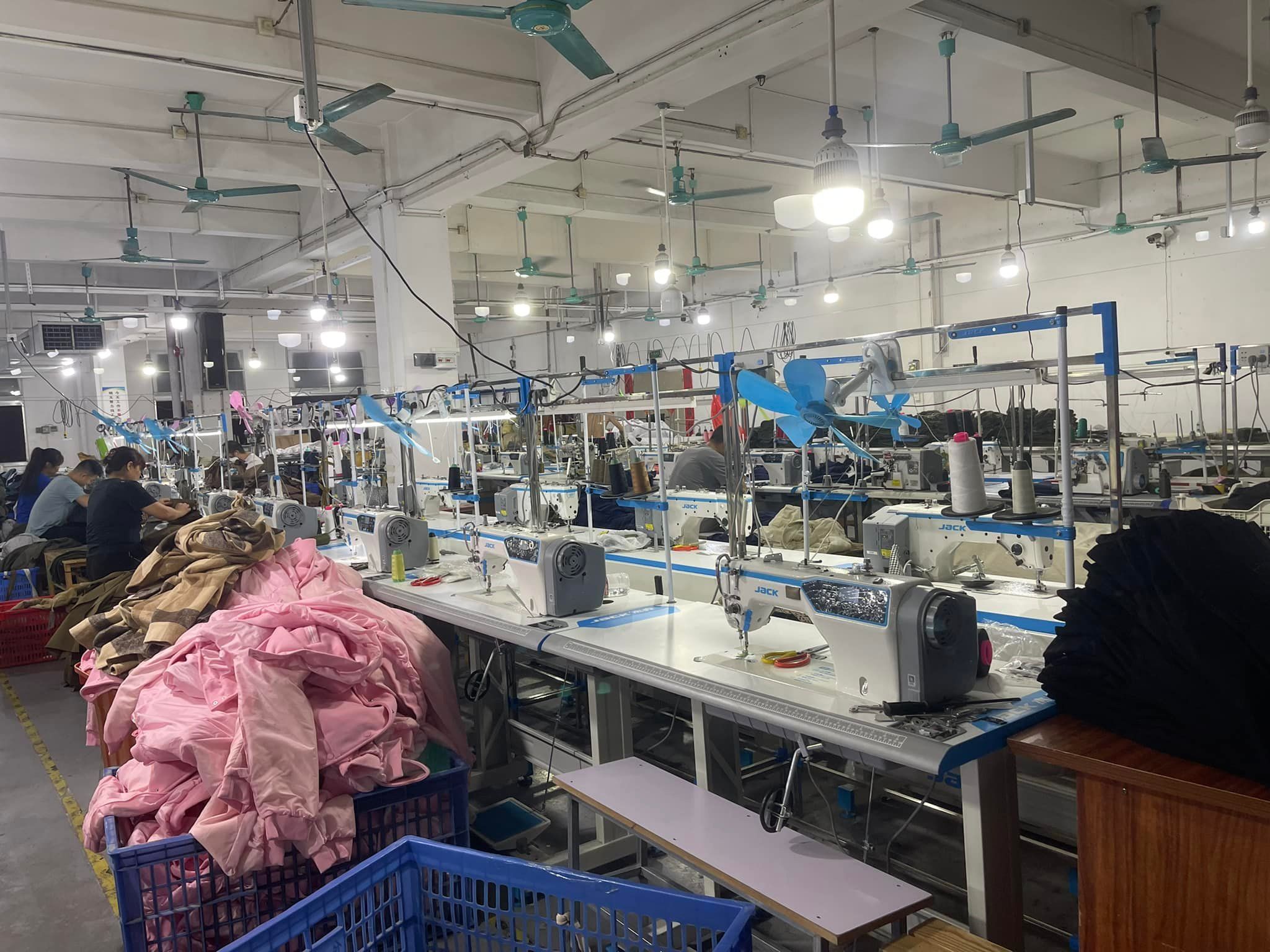
Fashion brands need more than a factory to turn their designs into finished products. They need a manufacturing partner that understands garment construction, fabric selection, sizing, customization, and quality control. Every detail, from the weight of the fabric to the placement of a logo, can influence how a finished garment looks and performs.
Custom clothing manufacturing gives brands greater control over these details. Instead of relying entirely on ready-made garments, businesses can develop products around their own designs, measurements, materials, and branding requirements.
Craftive Apparels provides custom clothing manufacturing for startups, independent fashion labels, established brands, and businesses looking to expand their product ranges. Our services cover different stages of apparel production, including digital apparel design, fabric sourcing, pattern development, cutting, stitching, printing, embroidery, quality control, and packaging.
Whether you are developing your first collection or increasing production for an existing clothing line, choosing the right manufacturing approach can help you turn your product ideas into finished apparel.
What Is Custom Clothing Manufacturing?
Custom clothing manufacturing is the process of developing and producing garments according to a brand’s specific design and production requirements. Unlike standard ready-made apparel, custom-manufactured clothing can be developed around selected fabrics, measurements, colours, patterns, construction methods, and finishing details.
This approach gives fashion businesses more flexibility when creating products for a particular audience or market.
For example, a streetwear brand may require oversized T-shirts with heavyweight cotton, dropped shoulders, custom neck labels, and embroidered graphics. A sportswear company may need lightweight materials, flexible construction, moisture-management properties, and custom team branding.
Both products require different materials and manufacturing considerations.
Custom clothing production can include:
- Design development: Creating garment concepts and digital apparel designs.
- Fabric sourcing: Selecting materials according to the product’s intended use.
- Pattern making: Developing garment patterns and measurements.
- Cut and sew production: Cutting fabrics and assembling individual garment components.
- Printing and embroidery: Adding logos, graphics, and decorative details.
- Quality control: Inspecting garments during different production stages.
- Packaging: Preparing finished apparel according to brand requirements.
Craftive Apparels brings these services together to help fashion brands coordinate their product development and manufacturing requirements through one partner.
Custom Apparel Manufacturing Tailored to Your Brand
Every fashion brand has its own design direction, target audience, and product requirements. A manufacturer should be able to accommodate these differences instead of limiting production to standard garment styles.
Craftive Apparels offers custom apparel manufacturing for businesses that need control over garment design, materials, sizing, colours, construction, and finishing.
Our manufacturing capabilities support several apparel categories, including streetwear, sportswear, collegiate clothing, and corporate apparel.
| Apparel Category | Common Products | Manufacturing Considerations |
|---|---|---|
| Streetwear | Oversized T-shirts, hoodies, sweatshirts, sweatpants | Fabric weight, relaxed fits, graphic placement, and garment proportions |
| Sportswear | Jerseys, tracksuits, athletic tops, performance apparel | Fabric performance, flexibility, comfort, and construction |
| Collegiate Clothing | Varsity jackets, letterman jackets, hoodies | Chenille patches, embroidery, appliqué, and custom detailing |
| Corporate Apparel | Uniforms, branded T-shirts, polo shirts, workwear | Consistent sizing, branding, durability, and repeat production |
Each category requires different production specifications. A heavyweight streetwear hoodie, for instance, may require a different fabric composition and construction approach than a lightweight athletic jersey.
By defining these requirements early, brands can develop garments that match their intended appearance, functionality, and customer expectations.
Looking for a manufacturing partner for your next collection? Explore Craftive Apparels to discuss your product requirements and available manufacturing services.
Custom Cut and Sew Manufacturing for Unique Designs
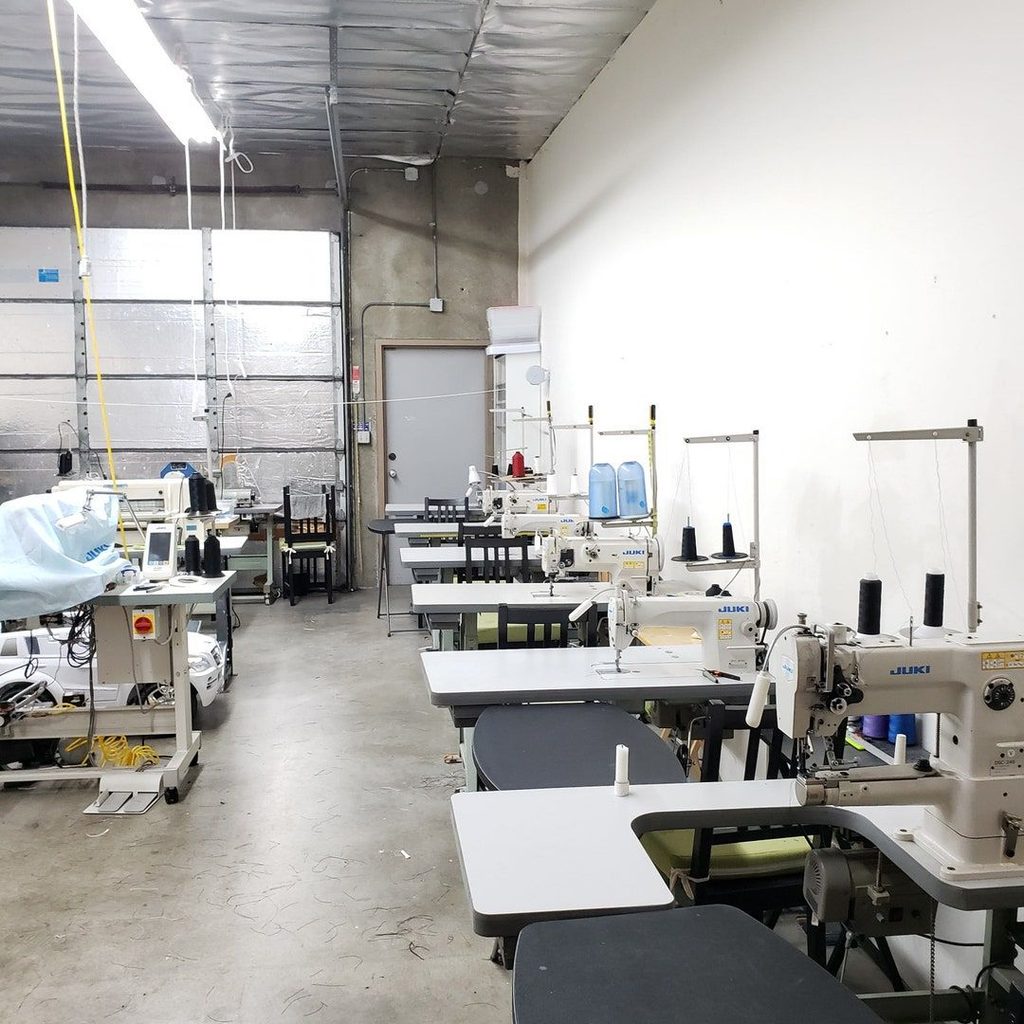
When standard blanks cannot deliver the fit, construction, or appearance your brand needs, custom cut and sew manufacturing provides greater design flexibility.
Instead of decorating an existing garment, cut and sew production involves developing a garment using selected fabrics, custom patterns, measurements, and construction details.
This allows brands to create products with distinctive silhouettes, fabric combinations, panel designs, and finishing elements.
How Does the Cut and Sew Manufacturing Process Work?
The process generally involves several stages, from initial design development to finished garment production.
1. Digital Apparel Design
The process begins with your garment concept, reference images, measurements, and design specifications. Digital apparel design helps visualize the intended product before physical production begins.
Craftive Apparels uses design tools such as CLO3D and Marvelous Designer to create apparel mockups during product development.
2. Pattern Development and Size Grading
Once the design is established, patterns are developed to define the garment’s shape, dimensions, and construction.
Size grading helps adapt the approved pattern to the required size range while maintaining the intended fit and proportions.
3. Fabric Sourcing and Selection
Fabric selection depends on the garment category, intended use, appearance, weight, texture, and performance requirements.
For example, heavyweight cotton may be suitable for streetwear hoodies, while synthetic performance fabrics are commonly considered for athletic clothing.
4. Cutting and Stitching
The selected fabric is cut according to the approved patterns. Individual garment components are then stitched together using the required construction methods.
This stage determines important details such as seams, panels, pockets, sleeves, and overall garment assembly.
5. Printing, Embroidery, and Finishing
After garment construction, selected decoration and finishing processes are completed according to the approved specifications.
These may include printed graphics, embroidered logos, labels, trims, and other custom details.
6. Quality Inspection and Packaging
Finished garments are inspected for construction quality, sizing, decoration, and finishing. Approved products are then prepared for packaging according to the agreed requirements.
Typical cut and sew production workflow, with individual stages depending on the product.
With custom cut and sew manufacturing, fashion brands can develop garments around their own specifications instead of relying entirely on ready-made styles.
Private Label Clothing Manufacturing for Brand Identity
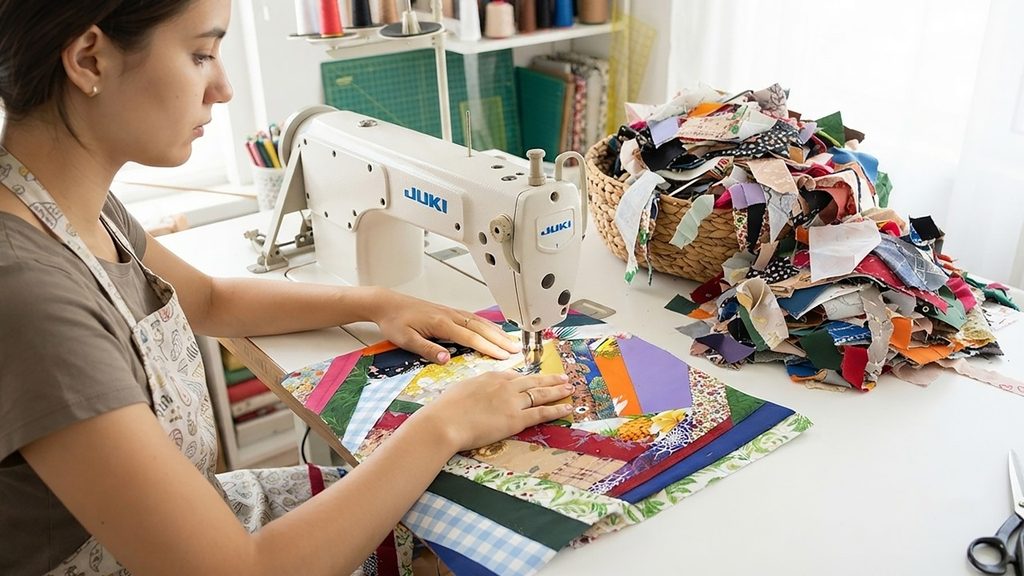
Developing a recognizable clothing brand involves more than creating attractive garment designs. Product presentation, labels, logos, and packaging all contribute to how customers recognize your clothing line.
Private label clothing manufacturing allows businesses to sell apparel under their own brand identity while working with a manufacturing partner to produce the garments.
Depending on the product and manufacturing requirements, private labeling can include several elements:
| Branding Element | Purpose |
|---|---|
| Neck Labels | Display brand names and garment information |
| Woven Labels | Add branded details to garments |
| Size Labels | Identify garment sizes |
| Hang Tags | Provide product and brand information |
| Custom Packaging | Create a consistent product presentation |
| Printed or Embroidered Logos | Add recognizable branding to garments |
Craftive Apparels supports private label clothing production with customization options that can include brand labels, hang tags, garment decoration, and custom packaging.
These elements help create a consistent presentation across your collection, from the garment itself to the way the finished product reaches your customer.
Whether you are launching a new fashion label or expanding an established product range, our team can help coordinate your garment manufacturing and branding requirements.
Custom Printing and Embroidery for Branded Apparel
Printing and embroidery are important parts of custom clothing production. They allow brands to incorporate logos, graphics, lettering, and decorative elements into their garments.
However, different decoration methods produce different results. The appropriate technique depends on the artwork, fabric composition, garment construction, production quantity, and desired finish.
Which Printing Method Is Suitable for Custom Clothing?
| Printing Method | Main Characteristics | Common Applications |
|---|---|---|
| Screen Printing | Transfers ink onto fabric through a prepared screen | Bold graphics, logos, and repeat designs |
| Puff Printing | Creates a raised, dimensional print | Streetwear graphics and lettering |
| Direct-to-Film (DTF) | Transfers printed artwork from film onto garments | Detailed graphics and multicolour designs |
| Direct-to-Garment (DTG) | Prints artwork directly onto suitable garments | Detailed illustrations and smaller print runs |
| Sublimation | Transfers dye into compatible synthetic materials | Sportswear and all-over designs |
For brands that want stitched rather than printed designs, embroidery provides another customization option.
Craftive Apparels offers flat embroidery, 3D puff embroidery, chenille, and appliqué. These methods can be used for logos, lettering, varsity-inspired jackets, hoodies, and other branded apparel.
The differences include:
- Flat embroidery: Creates stitched designs directly on fabric and works well for many logos and lettering styles.
- 3D puff embroidery: Uses foam beneath the stitching to produce a raised appearance.
- Chenille: Uses textured yarn to create a soft, raised finish, often used in collegiate and varsity-style clothing.
- Appliqué: Attaches shaped fabric pieces to a garment to create layered designs and decorative details.
Our custom embroidery services support brands looking to incorporate these decoration methods into their apparel collections.
Selecting the right printing or embroidery technique helps maintain the intended appearance of your designs while accounting for the characteristics of the selected fabric.
Low-MOQ Clothing Manufacturing for Growing Brands
Minimum order quantity (MOQ) is an important consideration when choosing a clothing manufacturer. It determines how many garments a business must order to begin production.
Large minimum orders can create inventory pressure for emerging fashion brands, particularly when they are introducing new products or testing customer demand.
Craftive Apparels offers low-MOQ manufacturing starting from 20 pieces for suitable orders, giving businesses an opportunity to explore custom apparel production without immediately committing to very large quantities.
Why Does Low-MOQ Manufacturing Matter?
Smaller production quantities can help fashion businesses:
- Test new garment designs before increasing production.
- Introduce limited-edition clothing collections.
- Explore different product styles and colours.
- Manage initial inventory investments.
- Evaluate customer demand before placing larger repeat orders.
However, low MOQ does not necessarily mean every garment or customization option is available at the same minimum quantity.
| Production Factor | What Can Affect the MOQ? |
|---|---|
| Garment Type | Complexity and construction requirements |
| Fabric Selection | Material availability and sourcing quantities |
| Printing | Artwork, printing setup, and production method |
| Embroidery | Design complexity and setup requirements |
| Custom Labels | Label type and supplier minimums |
| Packaging | Customization and packaging quantities |
Before confirming an order, discuss the required quantity for each product, the available customization options, and any additional production costs.
Craftive Apparels supports both emerging labels and established businesses. Whether you are developing a small initial collection or planning larger production volumes, our team can discuss your specifications and manufacturing requirements.
Quality Control and Manufacturing Transparency

Consistent quality is essential for fashion brands that want to build customer trust and maintain a recognizable product standard.
A garment may look correct in its initial sample, but bulk production requires additional checks to ensure that the finished products follow the approved specifications.
Craftive Apparels uses a three-stage quality control process covering pre-sewing, post-sewing, and post-finishing inspections.
| Quality Control Stage | What Is Checked |
|---|---|
| Pre-Sewing Inspection | Fabric condition, cutting accuracy, and preparation of garment components |
| Post-Sewing Inspection | Stitching, seams, measurements, and garment construction |
| Post-Finishing Inspection | Printing, embroidery, labels, finishing details, and overall appearance |
These inspections help identify production issues at different stages and support consistency in garment construction and finishing.
We also provide real-time manufacturing updates through our production portal, giving clients visibility into their orders during production.
For brands managing product launches, inventory, and repeat orders, manufacturing visibility and clear communication can make production planning easier.
From initial product development to final packaging, our team works to ensure that manufacturing follows the agreed specifications.
What Should You Consider Before Choosing a Clothing Manufacturer?
Choosing a manufacturing partner requires more than comparing unit prices. You should understand the supplier’s production capabilities, customization options, quality standards, and ability to meet your order requirements.
Before moving forward, consider the following:
- Manufacturing experience: Review previous work and check whether the manufacturer handles your specific apparel category.
- Customization capabilities: Confirm whether the supplier can accommodate your fabrics, measurements, construction, printing, and embroidery requirements.
- Sample development: Ask whether you can review a physical sample before approving bulk production.
- Minimum order quantities: Understand the minimum quantity per design, colour, and product.
- Production timelines: Discuss estimated sampling and manufacturing schedules.
- Quality control: Ask how garments are inspected during and after production.
- Communication: Establish how you will receive production updates and handle design revisions.
- Future production: Check whether the manufacturer can support repeat orders and increased quantities as your business grows.
It is also important to prepare clear product specifications before manufacturing begins. A detailed tech pack can communicate measurements, fabric composition, stitching details, colours, artwork placement, and other construction requirements.
The more clearly you define your expectations, the easier it becomes for the manufacturer to understand and produce your garments.
Choose Craftive Apparels for Custom Clothing Manufacturing
Finding the right clothing manufacturer can influence product quality, design flexibility, and your brand’s ability to grow. You need a manufacturing partner that understands your specifications and can support the different stages of apparel development.
Craftive Apparels brings custom garment development, cut and sew production, private labeling, fabric sourcing, printing, embroidery, quality control, and packaging together through a coordinated manufacturing service.
We work with startups, independent fashion labels, and established brands developing streetwear, sportswear, collegiate clothing, and corporate apparel.
With low-MOQ options starting from 20 pieces for suitable orders, multiple decoration methods, and manufacturing support from design through finishing, we help brands turn product specifications into finished garments.
Ready to develop your next collection? Contact Craftive Apparels to discuss your designs, fabric requirements, customization options, order quantities, and production goals. Our team can help identify the manufacturing services suited to your project and provide a quote based on your requirements.
Frequently Asked Questions
1. What is the difference between custom clothing manufacturing and ready-made clothing?
Custom clothing manufacturing involves developing garments according to specific design, fabric, measurement, and construction requirements. Ready-made clothing is produced using existing designs and standard specifications, with more limited customization options.
2. What types of clothing can be custom manufactured?
Custom manufacturing can cover T-shirts, hoodies, sweatshirts, sweatpants, tracksuits, jerseys, varsity jackets, uniforms, and other apparel categories. The available options depend on the manufacturer’s production capabilities.
3. What is the minimum order quantity for custom clothing manufacturing?
MOQ varies depending on garment type, fabric, construction, and customization requirements. Craftive Apparels offers manufacturing starting from 20 pieces for suitable orders.
4. Can I provide my own clothing designs?
Yes. Fashion brands can provide their own design concepts, reference images, artwork, measurements, and tech packs. Manufacturers with product development capabilities can use these specifications to develop garments and samples.
5. What is included in cut and sew manufacturing?
Cut and sew manufacturing generally includes pattern development, fabric cutting, stitching, garment assembly, and finishing. Depending on the manufacturer, it may also include digital design, fabric sourcing, printing, embroidery, and quality inspection.
6. Does custom clothing manufacturing include private labeling?
It can. Many custom clothing manufacturers offer additional branding services, including woven labels, neck labels, hang tags, printed logos, embroidered designs, and custom packaging.
7. How long does custom clothing manufacturing take?
Production time depends on garment complexity, fabric availability, sample development, order quantity, and customization requirements. Ask your manufacturer for a project-specific timeline covering sampling, revisions, bulk production, and finishing.