 Operated

Where Can You Find a Reliable Private Label Clothing Manufacturer
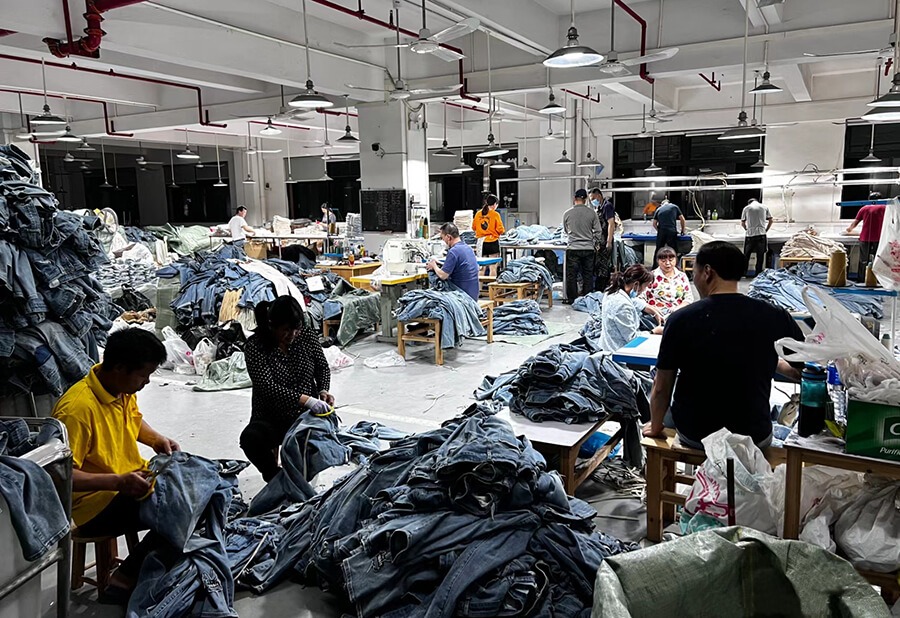
Finding a reliable private label clothing manufacturer is an important step for fashion brands planning to launch or expand their own clothing lines. The right manufacturing partner can help you turn design concepts into finished garments, customize fabrics and branding, maintain product quality, and manage production as your business grows. However, choosing a manufacturer involves more than finding a supplier that can put your logo on a T-shirt. Some manufacturers specialize in ready-made garments with custom labels, while others offer complete clothing development, including fabric sourcing, pattern making, cut and sew production, printing, embroidery, and packaging. Understanding these differences can help you find a manufacturer that matches your product requirements, production budget, and long-term business goals. Craftive Apparels provides private label and custom clothing manufacturing services for fashion brands looking to develop their own apparel collections. From initial product development to finished garment production, brands can access multiple manufacturing services through one production partner. Where Can You Find a Private Label Clothing Manufacturer? Fashion brands can find private label clothing manufacturers through several channels, including direct manufacturer websites, apparel sourcing directories, industry trade shows, and supplier recommendations. Each option provides a different way to evaluate potential manufacturing partners. Here are some common places to start your search: Source What You Can Find Best For Direct manufacturer websites Manufacturing services, product capabilities, and contact information Brands looking for long-term production partners Apparel sourcing directories Supplier listings, manufacturing locations, and company profiles Comparing multiple manufacturers Trade shows Clothing samples, production capabilities, and direct supplier conversations Evaluating products and building supplier relationships Industry recommendations Feedback and referrals from other fashion businesses Finding manufacturers with relevant experience B2B sourcing platforms Supplier profiles, product listings, and manufacturing options Exploring different production markets When evaluating these options, focus on manufacturers that can produce the specific garments you want to sell. A supplier that specializes in basic promotional T-shirts may not have the capabilities required for heavyweight streetwear, custom tracksuits, or technical sportswear. You should also determine whether the manufacturer offers private labeling only or supports complete custom garment development. Craftive Apparels provides private label and custom apparel manufacturing for businesses developing their own clothing collections. Its services include fabric sourcing, digital apparel design, pattern development, cut and sew production, printing, embroidery, quality control, and packaging. Working with one manufacturing partner for these services can simplify production coordination and reduce the need to manage multiple suppliers. Whether you are planning a streetwear collection, custom sportswear, or branded everyday apparel, you can explore Craftive Apparels to discuss your manufacturing requirements. What Should You Look for in a Private Label Clothing Manufacturer? Not every clothing manufacturer offers the same production capabilities, customization options, or quality standards. Before committing to a supplier, evaluate its services against your actual product requirements. The following factors can help you make a more informed decision. 1. Customization and Product Development Start by checking how much control the manufacturer gives you over the finished garment. Some suppliers only allow basic changes, such as adding a logo or replacing a neck label. Others can develop garments using custom measurements, fabrics, colours, patterns, and construction details. If you want to create a distinctive clothing line, look for a manufacturer that can support: The more control you have over these elements, the easier it becomes to develop products that reflect your brand identity. 2. Manufacturing Quality and Consistency Product quality directly affects customer satisfaction, returns, and repeat purchases. A manufacturer should have a clear process for checking garments during different production stages. Ask how the supplier handles fabric inspection, stitching quality, sizing accuracy, print placement, embroidery finishing, and final garment inspection. It is also useful to request samples before approving bulk production. A sample allows you to evaluate the fabric, fit, construction, and overall appearance before committing to a larger order. 3. Minimum Order Quantity (MOQ) Minimum order quantity determines how many pieces you must order to begin production. Some manufacturers require large quantities, while others accommodate smaller production runs. Your ideal MOQ depends on your business model, available budget, product type, and inventory strategy. For example, an established fashion brand introducing a new collection may require hundreds of pieces per design, while a startup may prefer smaller quantities to test customer demand. Always confirm whether the MOQ applies per design, colour, size, or complete order. 4. Production Timeline and Communication Manufacturing involves several stages, including design approval, sampling, material preparation, cutting, stitching, decoration, and finishing. Ask the manufacturer for an estimated production schedule and clarify how updates will be provided. You should also understand how revisions, sample approvals, and unexpected production delays are handled. Consistent communication helps you plan product launches, manage inventory, and coordinate marketing activities. 5. Ability to Support Business Growth Your initial order may be relatively small, but your production requirements can increase as your brand gains customers. Consider whether the manufacturer can support repeat orders, additional product categories, and increased production volumes. A suitable long-term partner should understand your specifications and be able to maintain consistency across future orders. Private Label vs. Custom Cut and Sew Manufacturing: What’s the Difference? Private label clothing and custom cut and sew manufacturing are related, but they do not always involve the same level of customization. Private label manufacturing generally involves producing garments under your brand name. Depending on the supplier, this may include adding custom labels, logos, packaging, or other branding elements to existing garment styles. Custom cut and sew manufacturing provides greater control over how a garment is developed. Instead of relying entirely on existing garment designs, brands can specify fabrics, measurements, patterns, and construction details. Here is how the two approaches compare: Comparison Factor Basic Private Label Custom Cut and Sew Garment design Existing garment styles Custom-developed designs Fabric selection Often limited to available options Greater control over fabric choices Sizing and fit Based on existing size specifications Can be developed around brand requirements Branding Custom labels, logos, and packaging Custom branding and garment details Construction Existing garment construction Custom patterns and construction
Custom Clothing Manufacturing for Fashion Brands
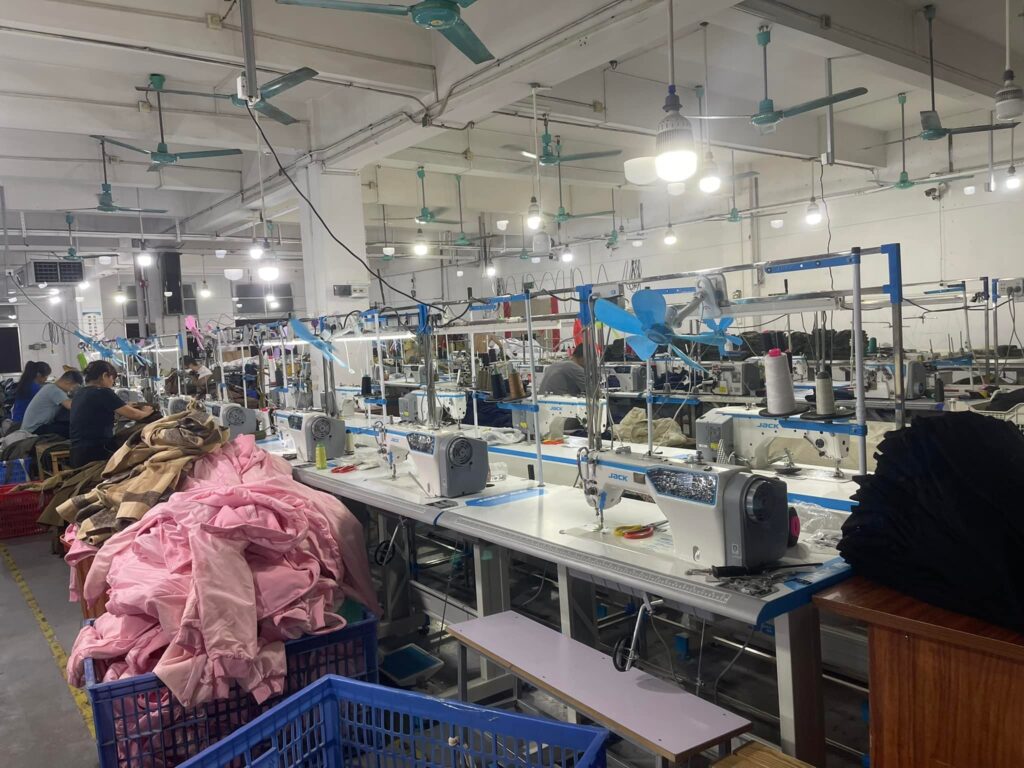
Fashion brands need more than a factory to turn their designs into finished products. They need a manufacturing partner that understands garment construction, fabric selection, sizing, customization, and quality control. Every detail, from the weight of the fabric to the placement of a logo, can influence how a finished garment looks and performs. Custom clothing manufacturing gives brands greater control over these details. Instead of relying entirely on ready-made garments, businesses can develop products around their own designs, measurements, materials, and branding requirements. Craftive Apparels provides custom clothing manufacturing for startups, independent fashion labels, established brands, and businesses looking to expand their product ranges. Our services cover different stages of apparel production, including digital apparel design, fabric sourcing, pattern development, cutting, stitching, printing, embroidery, quality control, and packaging. Whether you are developing your first collection or increasing production for an existing clothing line, choosing the right manufacturing approach can help you turn your product ideas into finished apparel. What Is Custom Clothing Manufacturing? Custom clothing manufacturing is the process of developing and producing garments according to a brand’s specific design and production requirements. Unlike standard ready-made apparel, custom-manufactured clothing can be developed around selected fabrics, measurements, colours, patterns, construction methods, and finishing details. This approach gives fashion businesses more flexibility when creating products for a particular audience or market. For example, a streetwear brand may require oversized T-shirts with heavyweight cotton, dropped shoulders, custom neck labels, and embroidered graphics. A sportswear company may need lightweight materials, flexible construction, moisture-management properties, and custom team branding. Both products require different materials and manufacturing considerations. Custom clothing production can include: Craftive Apparels brings these services together to help fashion brands coordinate their product development and manufacturing requirements through one partner. Custom Apparel Manufacturing Tailored to Your Brand Every fashion brand has its own design direction, target audience, and product requirements. A manufacturer should be able to accommodate these differences instead of limiting production to standard garment styles. Craftive Apparels offers custom apparel manufacturing for businesses that need control over garment design, materials, sizing, colours, construction, and finishing. Our manufacturing capabilities support several apparel categories, including streetwear, sportswear, collegiate clothing, and corporate apparel. Apparel Category Common Products Manufacturing Considerations Streetwear Oversized T-shirts, hoodies, sweatshirts, sweatpants Fabric weight, relaxed fits, graphic placement, and garment proportions Sportswear Jerseys, tracksuits, athletic tops, performance apparel Fabric performance, flexibility, comfort, and construction Collegiate Clothing Varsity jackets, letterman jackets, hoodies Chenille patches, embroidery, appliqué, and custom detailing Corporate Apparel Uniforms, branded T-shirts, polo shirts, workwear Consistent sizing, branding, durability, and repeat production Each category requires different production specifications. A heavyweight streetwear hoodie, for instance, may require a different fabric composition and construction approach than a lightweight athletic jersey. By defining these requirements early, brands can develop garments that match their intended appearance, functionality, and customer expectations. Looking for a manufacturing partner for your next collection? Explore Craftive Apparels to discuss your product requirements and available manufacturing services. Custom Cut and Sew Manufacturing for Unique Designs When standard blanks cannot deliver the fit, construction, or appearance your brand needs, custom cut and sew manufacturing provides greater design flexibility. Instead of decorating an existing garment, cut and sew production involves developing a garment using selected fabrics, custom patterns, measurements, and construction details. This allows brands to create products with distinctive silhouettes, fabric combinations, panel designs, and finishing elements. How Does the Cut and Sew Manufacturing Process Work? The process generally involves several stages, from initial design development to finished garment production. 1. Digital Apparel Design The process begins with your garment concept, reference images, measurements, and design specifications. Digital apparel design helps visualize the intended product before physical production begins. Craftive Apparels uses design tools such as CLO3D and Marvelous Designer to create apparel mockups during product development. 2. Pattern Development and Size Grading Once the design is established, patterns are developed to define the garment’s shape, dimensions, and construction. Size grading helps adapt the approved pattern to the required size range while maintaining the intended fit and proportions. 3. Fabric Sourcing and Selection Fabric selection depends on the garment category, intended use, appearance, weight, texture, and performance requirements. For example, heavyweight cotton may be suitable for streetwear hoodies, while synthetic performance fabrics are commonly considered for athletic clothing. 4. Cutting and Stitching The selected fabric is cut according to the approved patterns. Individual garment components are then stitched together using the required construction methods. This stage determines important details such as seams, panels, pockets, sleeves, and overall garment assembly. 5. Printing, Embroidery, and Finishing After garment construction, selected decoration and finishing processes are completed according to the approved specifications. These may include printed graphics, embroidered logos, labels, trims, and other custom details. 6. Quality Inspection and Packaging Finished garments are inspected for construction quality, sizing, decoration, and finishing. Approved products are then prepared for packaging according to the agreed requirements. Typical cut and sew production workflow, with individual stages depending on the product. With custom cut and sew manufacturing, fashion brands can develop garments around their own specifications instead of relying entirely on ready-made styles. Private Label Clothing Manufacturing for Brand Identity Developing a recognizable clothing brand involves more than creating attractive garment designs. Product presentation, labels, logos, and packaging all contribute to how customers recognize your clothing line. Private label clothing manufacturing allows businesses to sell apparel under their own brand identity while working with a manufacturing partner to produce the garments. Depending on the product and manufacturing requirements, private labeling can include several elements: Branding Element Purpose Neck Labels Display brand names and garment information Woven Labels Add branded details to garments Size Labels Identify garment sizes Hang Tags Provide product and brand information Custom Packaging Create a consistent product presentation Printed or Embroidered Logos Add recognizable branding to garments Craftive Apparels supports private label clothing production with customization options that can include brand labels, hang tags, garment decoration, and custom packaging. These elements help create a consistent presentation across your collection, from the garment itself to the
How to Choose the Right Sportswear Manufacturer for Your Activewear Brand
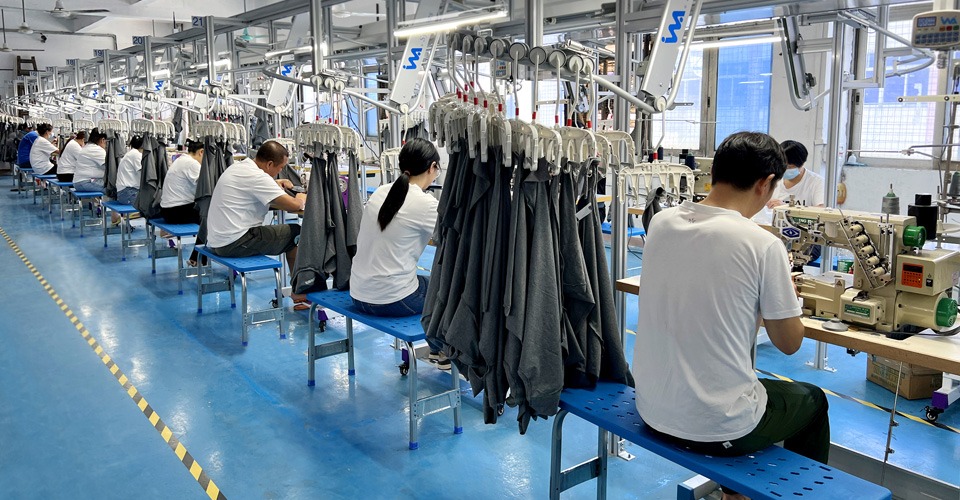
Choosing the right sportswear manufacturer is an important step when starting or growing an activewear brand. Your customers expect gym clothing that fits properly, feels comfortable, supports movement, and maintains its quality after repeated use and washing. Even a strong product design can fail if the manufacturer cannot deliver consistent results. A reliable sportswear manufacturer should offer more than basic garment production. Fabric sourcing, custom patterns, product development, sampling, branding, and quality control all play a role in creating activewear that meets your brand’s requirements. Whether you are launching your first gymwear collection or expanding an established clothing business, the manufacturer you choose can directly affect your product quality, costs, and ability to grow. 1. Look for Experience in Sportswear and Gymwear Manufacturing Sportswear requires different manufacturing considerations than ordinary casual clothing. Leggings, gym T-shirts, training shorts, sports bras, tracksuits, and jerseys are designed for physical activity. Their construction must support movement while maintaining a comfortable fit. Before choosing a manufacturer, check whether sportswear is part of its actual production experience. A factory that mainly produces everyday clothing may not have the same understanding of activewear fabrics, garment construction, and fit requirements. Different sportswear products also have different requirements: Sportswear Product Important Manufacturing Considerations Gym leggings Stretch, recovery, waistband construction, and fit Training shorts Freedom of movement, fabric comfort, and stitching Gym T-shirts Breathability, fit, fabric weight, and durability Sports bras Support, fit, construction, and material selection Tracksuits Fabric quality, sizing, finishing, and comfort Training jerseys Lightweight materials, fit, and decoration options Ask manufacturers about the types of sportswear they produce and whether they can work with your designs. This helps you understand whether their capabilities match your product requirements. Craftive Apparels works with multiple apparel categories, including sportswear, and supports custom production from initial design through bulk manufacturing. 2. Check Fabric Options and Material Sourcing Fabric selection has a major impact on how sportswear looks, feels, and performs. The right material depends on the garment, its intended use, and the experience you want to provide to customers. For example, leggings may require a different balance of stretch, recovery, and coverage than a loose-fitting gym T-shirt. Tracksuits and sweatshirts also have different fabric requirements from lightweight training apparel. Before placing an order, discuss these details with the manufacturer: A manufacturer with fabric sourcing capabilities can help you identify materials that match your product specifications. You should also request fabric samples where possible so you can assess the material before approving production. 3. Choose a Manufacturer That Offers Custom Cut and Sew Production If you want to create a distinctive activewear collection, look beyond manufacturers that only print logos on ready-made blank garments. Custom cut and sew manufacturing gives brands greater control over garment design, fit, measurements, patterns, fabrics, colours, and construction details. For sportswear brands, this flexibility is especially important. Small design decisions can change how a garment fits and feels. For example, the waistband, rise, inseam, panel placement, and stitching of leggings can all affect the final product. A custom cut and sew manufacturer can help develop garments around your specifications instead of limiting your collection to existing blank products. The process may include: Craftive Apparels supports this process through 3D apparel design, pattern development, fabric selection, cutting, embellishment, stitching, quality control, and packaging. 4. Evaluate Sampling and Product Development One of the biggest mistakes an activewear brand can make is moving directly from a design concept to a large production order without properly evaluating a sample. Sampling allows you to check how a garment looks and feels before committing to bulk manufacturing. It also gives you an opportunity to identify changes that may be needed. When reviewing a sportswear sample, pay attention to: For activewear, consider how the sample performs during movement. Check whether the garment feels comfortable, whether it allows sufficient movement, and whether important design details meet your expectations. A manufacturer should be willing to discuss adjustments during product development. Resolving these issues before bulk production can help reduce mistakes, unnecessary costs, and customer complaints. 5. Compare Custom Branding and Decoration Options Your activewear collection should reflect your brand identity. Branding is not limited to adding a logo to a finished garment. Labels, tags, prints, embroidery, colours, and packaging can all contribute to a consistent product presentation. Ask manufacturers which decoration methods they offer and whether those methods are suitable for your selected fabrics. Decoration Method Common Use Screen printing Logos, text, and designs on suitable garment surfaces DTF printing Detailed graphics and custom designs DTG printing Direct printing for suitable fabric and garment applications Sublimation Colourful graphics and all-over designs on suitable materials Embroidery Stitched logos and branding details Private labels Custom brand identity inside or on the garment The right method depends on your design, fabric, and intended product. For example, sublimation can be useful for sportswear designs that require extensive colour coverage, while embroidery can provide a stitched branding finish. Craftive Apparels offers multiple embellishment options, including screen printing, DTF, DTG, sublimation, and custom embroidery. Discuss the available options during product development to make sure the decoration method works with the garment rather than choosing it based on appearance alone. 6. Check Minimum Order Quantities Before Placing an Order Minimum order quantity (MOQ) is an important consideration, particularly for new activewear brands. Some manufacturers require large orders, which can make it difficult for startups to test new designs, colours, and product categories. Producing more stock than you can sell also ties up money that could be used for marketing, product development, or future collections. A lower MOQ can provide more flexibility when launching a new range. MOQ Consideration Why It Matters Initial production quantity Determines how much inventory you need to purchase Different designs Affects how easily you can test multiple products Colour variations May influence the required quantity for each colour Size range Helps determine how inventory is distributed across sizes Repeat orders Makes it easier to restock products that perform well Craftive Apparels offers low-MOQ manufacturing starting from 20 pieces.
Best Printing Methods for Streetwear Apparel: A Complete Comparison
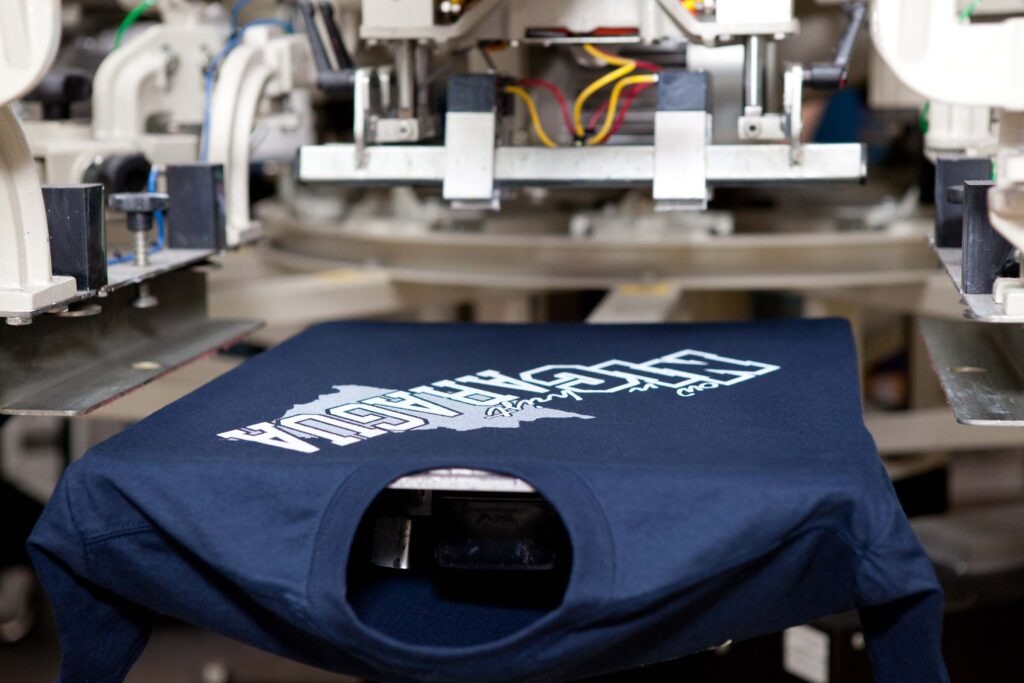
Streetwear is built around more than the garment itself. Graphics, logos, typography, textures, and print placement all contribute to a clothing brand’s identity. A simple T-shirt or hoodie can become a recognizable product when its design and decoration work together. Choosing the right printing method for streetwear apparel is therefore an important part of product development. Some techniques are better for bold graphics and larger production runs, while others are suitable for detailed artwork, raised textures, or smaller collections. The right option depends on several factors, including fabric type, artwork complexity, order quantity, desired finish, and production budget. At Craftive Apparels, printing and embellishment can be integrated into the wider custom cut and sew manufacturing process. This allows brands to consider garment construction and decoration together when developing their collections. What Makes Streetwear Printing Different? Streetwear designs often use distinctive graphics and decorative details. A garment might feature a small chest logo, oversized back artwork, sleeve graphics, bold typography, or a combination of different printing and embroidery techniques. The printing method needs to complement both the artwork and the garment. For example, a heavyweight oversized cotton T-shirt may require a different approach from a polyester jersey or fleece hoodie. Brands should consider how the print looks, how it feels on the fabric, how it holds up after washing, and whether it creates the intended visual effect. Streetwear printing is not simply about transferring an image onto clothing. The decoration should feel like a natural part of the garment’s design. 6 Popular Printing Methods for Streetwear Apparel Different printing techniques offer different results. Understanding their characteristics can help you choose the right option for your clothing collection. 1. Screen Printing for Bold Streetwear Graphics Screen printing is one of the most widely used methods for custom streetwear. The process involves pushing ink through a prepared screen onto the garment. Separate screens are generally prepared for different colours in the artwork. It works particularly well for bold graphics, logos, typography, and designs with clearly defined colours. Screen printing can produce strong colour coverage on T-shirts, hoodies, sweatshirts, and other common streetwear products. It is also a practical choice for larger production runs. Once the screens have been prepared, the same design can be reproduced across multiple garments. Brands developing custom garments from scratch can incorporate screen printing into the cut and sew manufacturing process. This allows decoration to be considered alongside fabric selection, pattern development, stitching, and finishing. Best suited for: Bold graphics, brand logos, typography, oversized prints, and larger production quantities. 2. Puff Printing for Raised Graphics Puff printing is popular in streetwear because it adds texture and dimension to garment designs. The process uses a special additive that expands when exposed to heat, creating a raised effect on the printed surface. This makes selected parts of a design more noticeable and gives the garment a distinctive finish. Puff printing is often used for raised chest logos, large back graphics, lettering, and statement designs. It can also be combined with standard screen printing to create contrast between flat and raised areas. Rather than applying puff effects to every part of a complicated design, brands can use them selectively to highlight important graphic elements. Best suited for: Raised logos, bold typography, statement graphics, and textured streetwear designs. 3. DTG Printing for Detailed Artwork Direct-to-garment (DTG) printing uses digital technology to apply artwork directly onto fabric. Unlike traditional screen printing, it does not require a separate screen for every colour. This makes DTG useful for designs that contain fine details, gradients, multiple colours, or illustration-style artwork. Streetwear brands creating graphic T-shirts with photographic elements, detailed illustrations, and complex colour combinations may find DTG particularly useful. The technique can also support smaller production runs and product testing when a brand wants flexibility with its artwork. However, fabric selection remains important. Material composition, garment colour, and surface characteristics can affect the final appearance of a DTG print. Best suited for: Detailed illustrations, photographic graphics, gradients, and colourful artwork. 4. DTF Printing for Flexible Custom Designs Direct-to-film (DTF) printing involves transferring a printed design from a special film onto a garment using heat. One of its main advantages is flexibility. It can accommodate detailed and colourful artwork and can be used across different types of clothing, depending on the material and application requirements. For streetwear brands, DTF can be useful when a collection includes multiple garment types or different graphic designs. It can also help newer brands test artwork before moving towards larger production quantities. The final result depends on the transfer, application process, fabric, and design. Brands should review samples to make sure the print appearance and feel match their expectations. Best suited for: Detailed graphics, colourful designs, different garment types, and flexible product collections. 5. Sublimation Printing for All-Over Designs Sublimation printing uses heat to transfer special dye into compatible materials, particularly polyester fabrics. Unlike techniques that leave a print layer on the garment surface, sublimation allows the colour to become part of the material. This makes it suitable for extensive graphics, detailed patterns, and all-over designs on compatible fabrics. Streetwear brands can use sublimation for printed jerseys, polyester shirts, and other products where the design covers a large portion of the garment. For brands working across activewear categories, our sportswear manufacturing service is a natural fit for this technique. However, sublimation is not suitable for every fabric. Material composition and colour are important considerations, so the garment should be selected with the printing method in mind. Best suited for: All-over graphics, detailed patterns, polyester garments, and colourful designs. 6. Embroidery for Textured Streetwear Branding Not every streetwear design needs to be printed. Embroidery offers another way to add logos, lettering, and decorative details to clothing. The process uses stitching to create artwork directly on the garment. It provides a dimensional finish that works particularly well for hoodies, jackets, sweatshirts, caps, and varsity-inspired clothing. Different embroidery techniques create different appearances: Embroidery Type Common Application Flat embroidery Clean logos and smaller branding details 3D
What to Look for in a Custom Clothing Manufacturer: 9 Things to Check
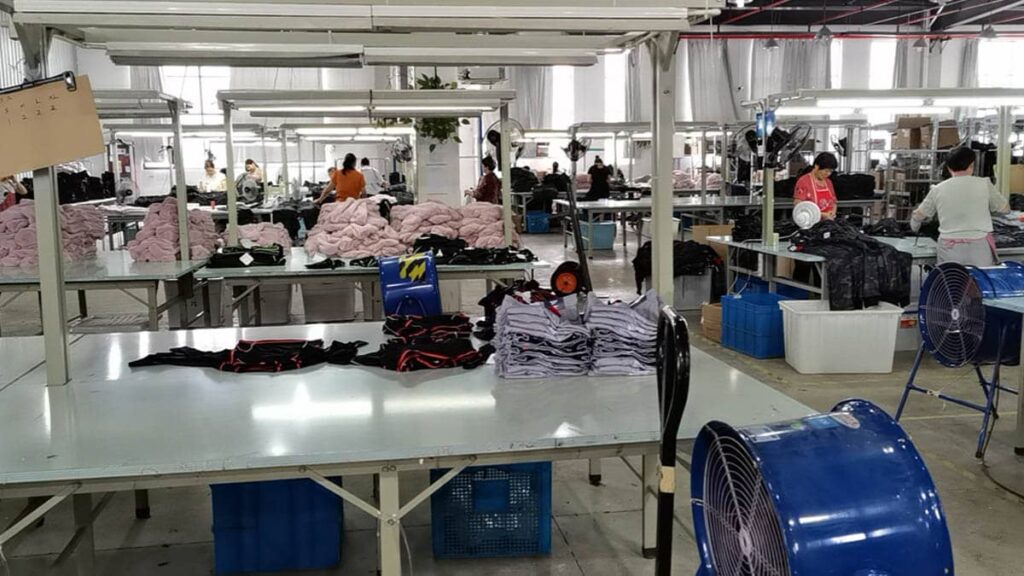
Choosing the right custom clothing manufacturer is one of the most important decisions when starting or growing a fashion brand. Your manufacturing partner affects product quality, production costs, delivery times, and how easily you can expand your clothing line. A manufacturer may offer competitive prices, but that does not automatically make it the right choice. You also need to consider production transparency, minimum order quantities, customization options, branding support, and the ability to deliver consistent results. Whether you are launching your first collection or looking for a new production partner, understanding these factors can help you avoid unnecessary costs and manufacturing problems. Here are nine important things to look for when choosing a custom clothing manufacturer. 1. Transparency Throughout the Production Process One of the biggest concerns when working with an overseas clothing manufacturer is not knowing what is happening after placing an order. Without regular updates, brands may struggle to track production progress, identify delays, or plan their product launches. A reliable manufacturer should have a clear communication process and provide updates throughout the different production stages. Before choosing a factory, find out how it handles: Some manufacturers provide updates through direct communication, while others use production dashboards or online portals. Craftive Apparels provides a live production portal that gives brands real-time visibility into their orders. This helps customers follow production progress instead of relying entirely on occasional messages. You can also explore the Craftive Apparels factory to learn more about its manufacturing facilities and production setup. Suggested image placement: Keep the existing production transparency image here. 2. Low Minimum Order Quantities for Startups and Growing Brands Minimum order quantity (MOQ) determines how many pieces a manufacturer requires you to order for a particular product or design. This is especially important for startups because large production requirements can increase the initial investment and leave brands with more inventory than they can sell. For example, a new clothing brand may want to test a few T-shirt designs, hoodies, or tracksuits before investing in a larger collection. A manufacturer with flexible MOQs makes this easier. MOQ Range Potential Benefit Important Consideration 20–50 pieces Suitable for testing designs and launching smaller collections Confirm whether the quantity applies per design or style 50–100 pieces Allows a larger initial product run Check how quantities can be divided across sizes and colours 100+ pieces Better suited to brands planning larger collections Consider inventory requirements and production costs A low MOQ can also benefit established brands that want to test new designs or introduce additional product categories before increasing production. Craftive Apparels offers low-MOQ custom clothing manufacturing, with starting quantities around 20 pieces. This gives smaller brands more flexibility when developing their first products. Always confirm the MOQ for your specific garment, fabric, colours, and customization requirements before placing an order. 3. A Wide Range of Manufacturing Capabilities Not every clothing manufacturer offers the same services. Some specialize in basic garment production, while others provide complete custom manufacturing and decoration. Choosing a manufacturer with a wider range of capabilities can make product development easier, particularly when your brand plans to expand into different clothing categories. Consider whether the manufacturer can handle the following: Manufacturing Service What It Covers Custom cut and sew Garment development using your own designs, measurements, and patterns Embroidery Stitched logos, lettering, and decorative details Screen printing Graphics, logos, and designs applied using screens Sublimation printing Full-colour designs on suitable fabrics Fabric sourcing Finding materials that match your product requirements Garment finishing Final construction details and preparation before packaging Having these services available through one manufacturing partner can reduce the need to coordinate with multiple suppliers. It can also make communication between garment production and decoration teams easier. Craftive Apparels offers custom cut and sew manufacturing alongside embroidery, screen printing, and sublimation printing. This range of services allows brands to develop different products while managing garment construction and customization through a connected manufacturing process. 4. Private Labeling and Custom Branding Support For most fashion brands, manufacturing is not just about producing garments. It is also about creating products that customers recognize as part of a particular brand. Private labeling allows businesses to add their own identity to clothing instead of selling generic garments with no brand-specific details. Before selecting a manufacturer, ask which branding options it supports. Common private labeling and branding options include: These details can help create a consistent appearance across your clothing collection. Working with a manufacturer that handles garment production and branding together can also reduce coordination between different suppliers. You can discuss labels, tags, and packaging while the garment is being developed instead of arranging everything separately. 5. Production Speed and Reliable Lead Times Production lead time is another important factor when comparing custom clothing manufacturers. Delays can affect product launches, seasonal collections, marketing campaigns, and inventory planning. However, the shortest advertised production time is not always the best option. You need a manufacturer that provides a realistic timeline and can consistently meet agreed deadlines. Before placing an order, ask about the expected time required for: Production Stage What to Confirm Sampling How long sample development and revisions take Material sourcing Whether the required fabrics are readily available Bulk production Expected time for cutting, stitching, and assembly Customization Additional time needed for printing or embroidery Quality control Time allocated for inspection and corrections Packaging and dispatch When the completed order will be prepared for shipping Craftive Apparels offers a 12 to 14 day production turnaround for applicable orders. Brands should confirm the expected timeline for their specific designs, quantities, and customization requirements before production begins. A clear production schedule helps you plan inventory and coordinate your product launch more effectively. 6. Manufacturing Location and Shipping Logistics The location of a clothing manufacturer can affect shipping costs, delivery times, import duties, and supply chain planning. For brands selling internationally, it is worth understanding where garments are produced and how finished orders are delivered to their target markets. Consider these factors when comparing manufacturers: Craftive Apparels operates facilities in